


 一键配货
一键配货
化合物详情
CAS7616-94-6
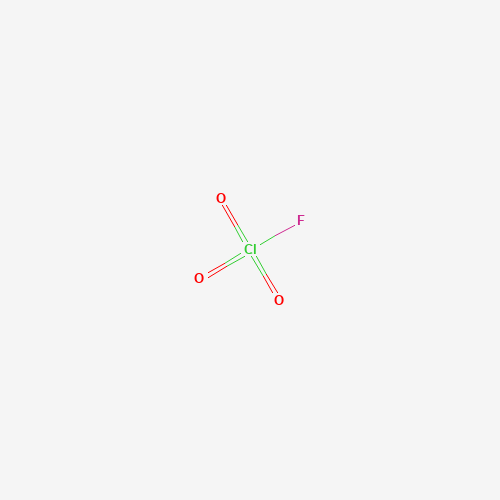
分子式ClFO
分子量102.45 g/mol
危化品
Physical Description | Perchloryl fluoride is a colorless, non corrosive gas with a characteristic sweet odor. Contact with the material may cause irritation to skin, eyes, and mucous membranes. It is very toxic by inhalation and skin absorption. Under prolonged exposure to fire or intense heat the containers may violently rupture and rocket.
科学粮草官-词典编辑部,修订于:2026-07-06
Toxicity
ToxicitySymptoms
irritation respiratory system; liquid: frostbite; In Animals: methemoglobinemia; cyanosis; lassitude (weakness, exhaustion), dizziness, headache; pulmonary edema; pneumonitis; anoxia
Target Organs
Skin, respiratory system, blood
Toxicity Data
LC50 (rat) = 385 ppm/4H
Adverse Effects
Toxic Pneumonitis - Inflammation of the lungs induced by inhalation of metal fumes or toxic gases and vapors.
Exposure Routes
inhalation, skin and/or eye contact (liquid)
Human Toxicity Excerpts
Clinical symptomatology includes dizziness, headache, cyanosis, and syncope.
Non-Human Toxicity Values
Acute inhalation LC50 values for rodents exposed to perchloryl fluoride for 4 hours were 385 ppm in rats and 630 ppm in mice.
Non-Human Toxicity Excerpts
After inhaling perchloryl fluoride for 6 mo @ 24 ppm, 14 of 30 exposed and 1 of 30 control guinea pigs died, but these deaths in exposed animals were attributed to infection by bordetella bronchiseptica; there were no deaths in rats and dogs. Bone fluoride concentrations were increased to four times the control in guinea pigs and almost three times the control value in rats. Dogs had about 50% increase in bone fluoride. All species had congested spleens containing iron-bearing pigments. In guinea pigs, there was an increase in normoblasts and a slight but nonsignificant decrease in total hemoglobin. In dogs, a two fold increase in the indirect fraction of serum bilirubin was demonstrated. There was no evidence of irritation observed in these animals that were exposed to 24 ppm.









