


 一键配货
一键配货
化合物详情
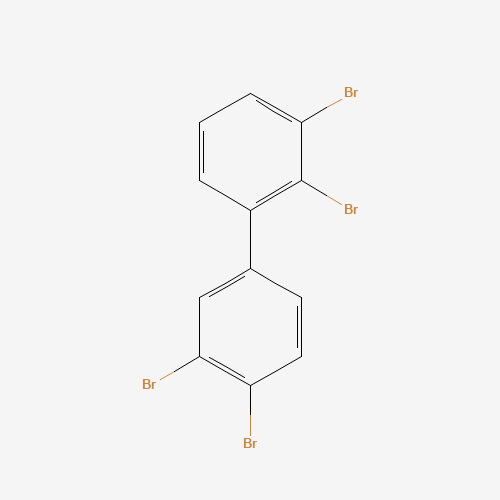
CAS40088-45-7
分子式C12H6Br4
分子量469.792 g/mol
非危品
Tetrabromobiphenyls are polybrominated biphenyls. Polybrominated biphenyls (PBBs) are a group of 209 synthetic organic compounds with 1-10 bromine atoms attached to biphenyl. They can be used as flame retardants and may be added to the plastics used to make products like computer monitors, televisions, textiles, and plastic foams to make them difficult to burn. However, the use of PBBs is banned or restricted in most areas due to their toxicity and persistence in the environment. (L628, L629)
科学粮草官-词典编辑部,修订于:2026-07-06
Toxicity
ToxicitySymptoms
Symptoms of PBB exposure may include nausea, abdominal pain, loss of appetite, joint pain, fatigue, and weakness. (L629)
Treatment
EYES: irrigate opened eyes for several minutes under running water. INGESTION: do not induce vomiting. Rinse mouth with water (never give anything by mouth to an unconscious person). Seek immediate medical advice. SKIN: should be treated immediately by rinsing the affected parts in cold running water for at least 15 minutes, followed by thorough washing with soap and water. If necessary, the person should shower and change contaminated clothing and shoes, and then must seek medical attention. INHALATION: supply fresh air. If required provide artificial respiration.
Health Effects
PBB exposure may cause weight loss, skin disorders (such as acne), nervous and immune systems effects, and effects on the liver, kidneys, and thyroid gland. (L628)
Exposure Routes
Oral (L628); inhalation (L628); dermal (L628)
Toxicity Summary
The exact mechanism of toxicty of PBBs varies depending on the specific congener. The predominant interaction is believed to involve the aryl hydrocarbon receptor (AhR). PBBs bind to and activate the AhR, which in turn initiates the transcriptional upregulation of a number of genes, affecting biochemical and endocrine pathways, cell cycle regulation, morphogenesis, oxidative stress response, and various other processes. This results in the numerous toxic responses characteristic of PBBs. Some of the known induced genes include the cytochrome P-450-dependent monooxygenases CYP1A1 and CYP1A2. (L628)
Minimum Risk Level
Acute Oral: 0.01 mg/kg/day (L134)
Carcinogen Classification
2A, probably carcinogenic to humans. (L135)









