


 一键配货
一键配货
化合物详情
CAS147217-78-5
分子式-
分子量- g/mol
非危品
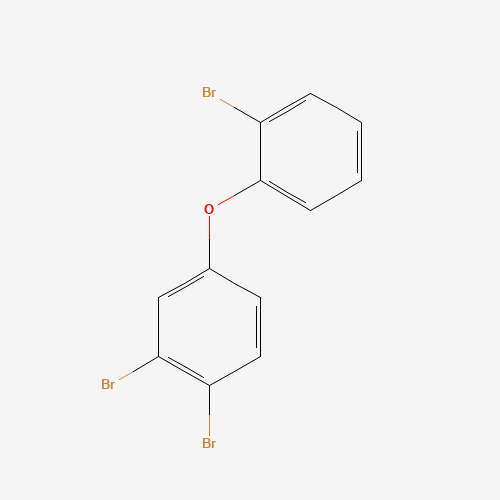
Tribromodiphenyl ethers are organobromine compounds, as well as polybrominated diphenyl ethers containing three bromine atoms. Polybrominated diphenyl ethers (PBDEs) are flame-retardant man-made chemicals found in plastics used in a variety of consumer products to make them difficult to burn. PBDEs exist as mixtures of similar chemicals called congeners. Because they are mixed into plastics and foams rather than bound to them, PBDEs can leave the products that contain them and enter the environment. (L628)
科学粮草官-词典编辑部,修订于:2026-07-06
Toxicity
ToxicityTreatment
EYES: irrigate opened eyes for several minutes under running water. INGESTION: do not induce vomiting. Rinse mouth with water (never give anything by mouth to an unconscious person). Seek immediate medical advice. SKIN: should be treated immediately by rinsing the affected parts in cold running water for at least 15 minutes, followed by thorough washing with soap and water. If necessary, the person should shower and change contaminated clothing and shoes, and then must seek medical attention. INHALATION: supply fresh air. If required provide artificial respiration.
Health Effects
Polybrominated diphenyl ethers may affect the thyroid gland and liver. Animals studies have also shown that PDBEs can cause neurobehavioral alterations and affect the immune system. (L628)
Exposure Routes
Oral (L628); inhalation (L628); dermal (L628)
Toxicity Summary
Like other halogenated aromatic hydrocarbons, polybrominated diphenyl ethers bind to the cellular aryl hydrocarbon receptor (AhR), which regulates the synthesis of a variety of proteins. Activation of the AhR induces a number of enzymes, including cytochrome P-450-dependent monooxygenases of the CYP1A and CYP2B families, UDP-glucuronosyltransferase, and ethoxyresorufin-o-deethylase. PBDEs are also believed to disrupt the production, transport, and disposition of thyroid hormones. One mechanism of this involves metabolites ot PDBEs competing with thyroxine to bind to transthyretin, decreasing serum thyroid hormone levels. This change in thyroid hormone levels has been linked to both thyroid toxicity and neurobehavioral alterations. Certain PDBEs and their metabolites are also endocrine d...
Minimum Risk Level
Intermediate Inhalation: 0.006 mg/m3 (L134) Acute Oral: 0.03 mg/kg/day (L134) Intermediate Oral: 0.007 mg/kg/day (L134)
Carcinogen Classification
No indication of carcinogenicity to humans (not listed by IARC).









