


 一键配货
一键配货
化合物详情
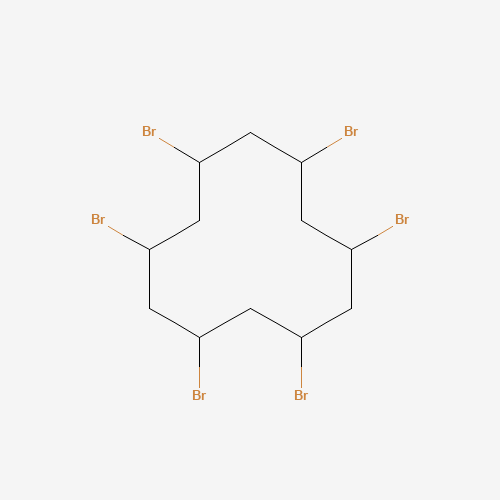
CAS25637-99-4
分子式C12H18Br6
分子量641.7 g/mol
非危品
Physical Description | Hexabromocyclododecane is a white powder. Insoluble in water. (NTP, 1992)
科学粮草官-词典编辑部,修订于:2026-07-06
Toxicity
ToxicityBody Burden
Concentrations of tetrabromobisphenol A (TBBPA) and alpha-, beta-, and gamma-isomers of hexabromocyclododecanes (HBCDs) were determined by liquid chromatography-tandem mass spectrometry (LC-ESI-MS/MS) in human adipose tissue obtained in New York City. ... The overall mean concentrations (mean+/-SD) of TBBPA and HBCDs were 0.048+/-0.102 and 0.333+/-0.571 ng/g lipid wt in human adipose tissue samples. ... Overall mean concentrations of HBCDs were 5-10-fold higher than mean TBBPA concentrations, in all of the samples analyzed. ... In the human adipose tissue samples, the concentrations of HBCDs were 3-4 orders of magnitude lower than the concentrations of polybrominated diphenyl ethers (PBDEs) previously reported for the same set of tissue samples. Concentrations of HBCDs in human samples...
Fate Summary
ATMOSPHERIC FATE: According to a model of gas/particle partitioning of semivolatile organic compounds in the atmosphere(1), hexabromocyclododecane, which has a vapor pressure of 4.7X10⁻⁷ mm Hg at 25 °C(2), will exist in both the vapor and particulate phases in the ambient atmosphere. Vapor-phase hexabromocyclododecane is degraded in the atmosphere by reaction with photochemically-produced hydroxyl radicals(SRC); the half-life for this reaction in air is estimated to be 2.6 days(SRC), calculated from its rate constant of 6.1X10⁻¹² cu cm/molecule-sec at 25 °C(SRC) that was derived using a structure estimation method(3). Particulate-phase hexabromocyclododecane may be removed from the air by wet or dry deposition(SRC). UV spectral data suggest that hexabromocyclododecane does not absorb at...
Soil Adsorption / Mobility
Using a structure estimation method based on molecular connectivity indices(1), the Koc of hexabromocyclododecane can be estimated to be 91,000(SRC). According to a classification scheme(2), this estimated Koc value suggests that hexabromocyclododecane is expected to be immobile in soil. Using OECD Guideline 121 (Estimation of the Adsorption Coefficient (Koc) on Soil and on Sewage Sludge) and a soil/sewage sludge media, the log Koc of hexabromocyclododecane was found to be >5(3). Hexabromocyclododecane has a low water solubility and, therefore, an affinity for particles and sediments(4).
Environmental Biodegradation
ANAEROBIC: An anaerobic study using digested sewage sludge determined a half-life of 0.66 days for hexabromocyclododecane(1). Using digester sludge (2000 mg/L) from a domestic wasterwater treatment plant, 14C-hexabromocyclododecane loss was approximately 50% after 5 days in anoxic conditions(2). An anaerobic study using non-adapted activated sludge measured a 91% 14C-hexabromocyclododecane loss after 60 days of incubation(3). OECD Guideline 301D (Ready Biodegradability: Closed Bottle Test) and a secondary clarifier supernatant inoculum, hexabromocyclododecane showed no degradation after 28 days(3). In microcosm studies, the biotransformation half-lives of hexabromocyclododecane in anaerobic soil and river water were 6.9 and 1.1-1.5 days, respectively(2).
Environmental Bioconcentration
Hexabromocyclododecane can bioaccumulate in fatty tissues(1). A whole body BCF of 18,200 was reported in fathead minnow (Pimephales promelas) over a 32-day exposure period(2). A BCF of 8,974 was measured in rainbow trout (Oncorhynchus mykiss) over a 35-day exposure period for hexabromocyclododecane(3). According to a classification scheme(4), these BCF values suggest the potential for bioconcentration in aquatic organisms is very high(SRC), provided the compound is not metabolized by the organism(SRC).
Volatilization from Water / Soil
The Henry's Law constant for hexabromocyclododecane is estimated as 6.1X10⁻⁶ atm-cu m/mole(SRC) derived from its vapor pressure, 4.70X10⁻⁷ mm Hg(1), and water solubility, 0.0656 mg/L(1). This Henry's Law constant indicates that hexabromocyclododecane is expected to volatilize from water surfaces(2). Based on this Henry's Law constant, the volatilization half-life from a model river (1 m deep, flowing 1 m/sec, wind velocity of 3 m/sec)(2) is estimated as 15.6 days(SRC). The volatilization half-life from a model lake (1 m deep, flowing 0.05 m/sec, wind velocity of 0.5 m/sec)(2) is estimated as 122 days(SRC). However, volatilization from water surfaces is expected to be attenuated by adsorption to suspended solids and sediment in the water column. The estimated volatilization half-life fro...
Environmental Abiotic Degradation
The rate constant for the vapor-phase reaction of hexabromocyclododecane with photochemically-produced hydroxyl radicals has been estimated as 6.1X10⁻¹² cu cm/molecule-sec at 25 °C(SRC) using a structure estimation method(1). This corresponds to an atmospheric half-life of about 2.6 days at an atmospheric concentration of 5X10+5 hydroxyl radicals per cu cm(1). Aqueous hydrolysis tests conducted over 39-day periods detected no hydrolysis of hexabromocyclododecane(2). UV spectral data suggest that hexabromocyclododecane does not absorb at wavelengths >290 nm(3), and therefore is not expected to be susceptible to direct photolysis by sunlight(SRC).
Environmental Water Concentrations
RAIN/SNOW/FOG: Hexabromocyclododecane was detected in precipitation samples collected between 2008-2010 at Entebbe, Uganda(1).
Food Survey Values
Home-produced eggs collected form free-foraging chickens in Belgium in 2006 and 2007 contained hexabromocyclododecane concentrations of <0.4 and 2.9 ng/g lw, respectively(1). A monitoring study comparing results from up to 13 laboratories found mean 1,2,5,6,9,10-hexabromocyclododecane concentrations (in pg/g fresh weight) in the following foods: chicken meat, 50; butter, 211(2).
Plant Concentrations
Tree bark collected from 12 locations around the globe in 2009-2010 contained hexabromocyclododecane concentrations ranging from 0.27-21.3 ng/g lipid weight with concentrations associated with human population in the near-by areas(1).
Effluent Concentrations
Using the USEPA's 2001 national sewage sludge survey(NSSS), the estimated annual effluent load range of combined hexabromocyclododecane isomers in sewage sludge to biosolids, to land applications, to incineration and to landfills was 101-127, 49.9-75.9, 20.8-26 and 17.7-20.9 kg/year, respectively(1). Sewage sludge collected from monitoring network in Switzerland (16 wastewater treatment plants) contained a mean hexabromocyclododecane concentration of 149 ug/kg dry weight(2).
ICSC Environmental Data
The substance is very toxic to aquatic organisms. The substance may cause long-term effects in the aquatic environment. Bioaccumulation of this chemical may occur along the food chain, for example in seafood, terrestrial organisms and plants. It is strongly advised not to let the chemical enter into the environment because it is persistent.
Atmospheric Concentrations
Air samples collected at Entebbe, Uganda in 2010 contained a mean hexabromocyclododecane concentration of 1.47 pg/cu m(1). Hexabromocyclododecane was detected in atmospheric deposition collected at urban, rural and e-wastes in southern China from 2007 to 2008(2). Total hexabromocyclododecane isomer concentrations detected in Arctic air samples collected at Pallas, northern Finland in the fall of 2000 and January 2001 were 3 and 2 pg/cu m, respectively(1); deposition was 13 ng/sq m-day in the fall and 5.1 ng/sq m-day in the winter(3).
Fish/Seafood Concentrations
Concentrations of tetrabromobisphenol A (TBBPA) and alpha-, beta-, and gamma-isomers of hexabromocyclododecanes (HBCDs) were determined by liquid chromatography-tandem mass spectrometry (LC-ESI-MS/MS) in .. marine top-level predators ... bull shark, and Atlantic sharpnose shark--collected from coastal waters of Florida, USA. The overall mean concentrations (mean+/-SD) of TBBPA and HBCDs were ... 9.5+/-12 and 77.7+/-128 ng/g lipid wt in bull shark muscle, and 0.872+/-0.5 and 54.5+/-88 ng/g lipid wt in Atlantic sharpnose shark muscle. Overall mean concentrations of HBCDs were 5-10-fold higher than mean TBBPA concentrations, in all of the samples analyzed. The highest concentrations of TBBPA and HBCDs were detected in the bull shark muscle at concentrations of 35.6 and 413 ng/g, lipid wt,...
Artificial Pollution Sources
Hexabromocyclododecane's production and use as an additive flame retardant in extruded polystyrene foams, polystyrene and polypropylene resins, injection molded polystyrene and in thermal insulation building materials, and electronics(1) and textiles(1,2) may result in its release to the environment through various waste streams(SRC). Composite compositions of commercial Hexabromocyclododecane (HBCDD) contain approximately 80% gamma-HBCDD, 5-10% alpha-HBCDD, and 5-10% beta-HBCDD(3).
Sediment/Soil Concentrations
SEDIMENT: Hexabromocyclododecane concentrations ranged from not detected (detection limit in the range of 6-50 pg/g dry weight) to 514 ng/g dry weight in sediments from the Cinca River (tributary to the Ebro River, Spain) collected in the vicinity of the heavily industrialized area of Monzon(1). Sediment samples from the Swedish River Viskin, sampled in 1995 and collected up and downstream from textile industries, contained hexabromocyclododecane at concentrations ranging from <0.9 ng/g (upstream) to 7,000 ng/g (downstream)(2). A concentration of <1.0 ng/g was detected in sediment from Lake Skaresjon, a parallel water system(2). A concentration of <1.0 ng/g was detected in sediment from Lake Skaresjon, a parallel water system(2). Three dated sediment cores from a prealpine lake, Lake Th...
Probable Routes of Human Exposure
NIOSH (NOES Survey 1981-1983) has statistically estimated that 11,921 workers (6,962 of these were female) were potentially exposed to hexabromocyclododecane in the US(1). Occupational exposure to hexabromocyclododecane may occur through inhalation and dermal contact with this compound at workplaces where hexabromocyclododecane is produced or used(SRC). Monitoring data indicate that the general population may be exposed to hexabromocyclododecane via inhalation of ambient air and house dust, ingestion of food and fish, and dermal contact with house dust and consumer products containing hexabromocyclododecane(SRC).
Other Environmental Concentrations
Hexabromocyclododecane concentrations in commercially available textiles in Japan ranged from 22,000 to 43,000 mg/kg, about 2.2-4.3%, with a higher proportion of the alpha-diastereoisomer(1).
Environmental Fate / Exposure Summary
Hexabromocyclododecane's production and use as an additive flame retardant in extruded polystyrene foams, polystyrene and polypropylene resins, injection molded polystyrene and in thermal insulation building materials, and electronics and textiles may result in its release to the environment through various waste streams. Composite compositions of commercial Hexabromocyclododecane (HBCDD) contain approximately 80% gamma-HBCDD, 5-10% alpha-HBCDD, and 5-10% beta-HBCDD. If released to air, a vapor pressure of 4.7X10⁻⁷ mm Hg at 25 °C indicates hexabromocyclododecane will exist in both the vapor and particulate phases in the atmosphere. Vapor-phase hexabromocyclododecane will be degraded in the atmosphere by reaction with photochemically-produced hydroxyl radicals; the half-life for this rea...
Symptoms
Bromine vapour causes irritation and direct damage to the mucous membranes. Symptoms include lacrimation, rhinorrhoea, eye irritation with mucous secretions from the oropharyngeal and upper airways, coughing, dyspnoea, choking, wheezing, epistaxis, and headache. The bromide ion is a central nervous system depressant producing ataxia, slurred speech, tremor, nausea, vomiting, lethargy, dizziness, visual disturbances, unsteadiness, headaches, impaired memory and concentration, disorientation and hallucinations. This is called bromism. (L626, L627)
Treatment
EYES: irrigate opened eyes for several minutes under running water. INGESTION: do not induce vomiting. Rinse mouth with water (never give anything by mouth to an unconscious person). Seek immediate medical advice. SKIN: should be treated immediately by rinsing the affected parts in cold running water for at least 15 minutes, followed by thorough washing with soap and water. If necessary, the person should shower and change contaminated clothing and shoes, and then must seek medical attention. INHALATION: supply fresh air. If required provide artificial respiration.
Interactions
Hepatocellular carcinoma (HCC) is one of the most common cancers in China with high mortality, high chemotherapy resistance incidence, and poor prognosis. This study aimed to investigate the influence of polychlorinated biphenyls (PCBs) and hexabromocyclododecane (HBCD) on chemoresistance of HCC cells (HepG2, MHCC97H, and MHCC97L) to cisplatin and to explore the potential molecular mechanism. Cell viability, DNA damage, the expression level and activity of nuclear factor-kB (NF-kB), p53/Mdm4, and phosphatidylinositol 3-kinase/protein kinase B (PI3K/AKT) pathway were measured. The results showed that HBCD and PCBs could significantly reduce the chemosensitivity of HCC cells to cisplatin, increasing the cell viability and decreasing DNA damage. Moreover, HBCD and PCBs could induce the tra...
Health Effects
Bromine vapour causes irritation and direct damage to the mucous membranes. Elemental bromine also burns the skin. The bromide ion is a central nervous system depressant and chronic exposure produces neuronal effects. This is called bromism and can result in central reactions reaching from somnolence to coma, cachexia, exicosis, loss of reflexes or pathologic reflexes, clonic seizures, tremor, ataxia, loss of neural sensitivity, paresis, papillar edema of the eyes, abnormal speech, cerebral edema, delirium, aggressiveness, and psychoses. (L625, L626, L627)
Exposure Routes
Oral (L626); inhalation (L626); dermal (L626)
Toxicity Summary
Bromine is a powerful oxidizing agent and is able to release oxygen free radicals from the water in mucous membranes. These free radicals are also potent oxidizers and produce tissue damage. In additon, the formation of hydrobromic and bromic acids will result in secondary irritation. The bromide ion is also known to affect the central nervous system, causing bromism. This is believed to be a result of bromide ions substituting for chloride ions in the in actions of neurotransmitters and transport systems, thus affecting numerous synaptic processes. (L626, L627, A543)
Average Daily Intake
The estimated UK upper bound average dietary intake in 2004 was 413 ng total hexabromocyclododecanes/day for a 70 kg adult and 240 ng/day for a 10 kg toddler(1). The maximum daily intake for hexabromocyclododecane is 22 ng/kg/day, based on studies on food samples bought in food stores in Sweden(2). The average daily intake by the Dutch population was calculated at 2.9 ng/kg bwt/day, based on 91 samples from dairy, meat, animal fat, eggs, fish and vegetable oil(2). The estimated median daily intake of hexabromocyclododecane for a Romanian adult and toddler was estimated to be 77 and 47 ng/day, respectively, based on consumption meat products, butter, cheese, vegetable oil and eggs(3). The estimated median daily intake of hexabromocyclododecane for a Romanian adult and toddler was estimat...
Carcinogen Classification
No indication of carcinogenicity to humans (not listed by IARC).
Non-Human Toxicity Values
LD50 Mouse oral >6400 mg/kg
Antidote and Emergency Treatment
/SRP:/ Advanced treatment: Consider orotracheal or nasotracheal intubation for airway control in the patient who is unconscious, has severe pulmonary edema, or is in severe respiratory distress. Positive-pressure ventilation techniques with a bag-valve-mask device may be beneficial. Consider drug therapy for pulmonary edema ... . Monitor cardiac rhythm and treat arrhythmias if necessary ... . Start IV administration of D5W /SRP: "To keep open", minimal flow rate/. Use 0.9% saline (NS) or lactated Ringer's (LR) if signs of hypovolemia are present. For hypotension with signs of hypovolemia, administer fluid cautiously. Consider vasopressors if patient is hypotensive with a normal fluid volume. Watch for signs of cardiac irritability and fluid overload ... . Treat seizures with diazepam (V...









