


 一键配货
一键配货
化合物详情
CAS51-57-0
分子式C10H15N.ClH
分子量- g/mol
非危品
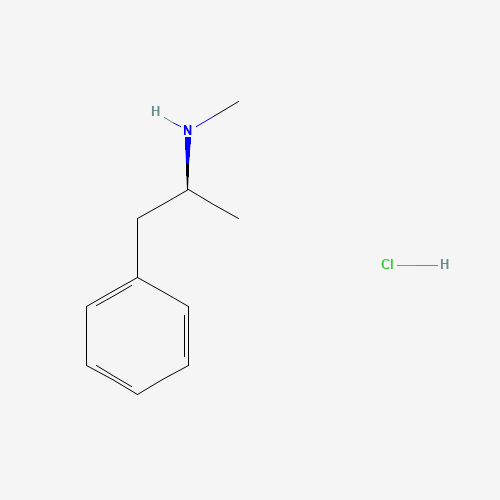
Methamphetamine hydrochloride is a hydrochloride having methamphetamine as the base component. It contains a methamphetamine(1+).
科学粮草官-词典编辑部,修订于:2026-07-06
Toxicity
ToxicitySymptoms
Manifestations of acute overdosage with methamphetamine include restlessness, tremor, hyperreflexia, rapid respiration, confusion, assaultiveness, hallucinations, panic states, hyperpyrexia, and rhabdomyolysis. Fatigue and depression usually follow the central stimulation. Cardiovascular effects include arrhythmias, hypertension or hypotension, and circulatory collapse. Gastrointestinal symptoms include nausea, vomiting, diarrhea, and abdominal cramps. Fatal poisoning usually terminates in convulsions and coma.
Treatment
Management of acute methamphetamine intoxication is largely symptomatic and includes gastric evacuation, administration of activated charcoal, and sedation. Experience with hemodialysis or peritoneal dialysis is inadequate to permit recommendations in this regard. Acidification of urine increases methamphetamine excretion, but is believed to increase risk of acute renal failure if myoglobinuria is present. Intravenous phentolamine has been suggested for possible acute, severe hypertension, if this complicates methamphetamine overdosage. Usually a gradual drop in blood pressure will result when sufficient sedation has been achieved. Chlorpromazine has been reported to be useful in decreasing CNS stimulation and sympathomimetic effects. (L1712)
Lethal Dose
collection=toxvaldb&kind=^LD$
Health Effects
Using large amounts of these drugs can result in a condition known as amphetamine psychosis -- which can result in auditory, visual and tactile hallucinations, intense paranoia, irrational thoughts and beliefs, delusions, and mental confusion.
Exposure Routes
Methamphetamine is rapidly absorbed from the gastrointestinal tract with peak methamphetamine concentrations occurring in 3.13 to 6.3 hours post ingestion. Methamphetamine is also well absorbed following inhalation and following intranasal administration. It is distributed to most parts of the body. Because methamphetamine has a high lipophilicity it is distributed across the blood brain barrier and crosses the placenta.
Toxicity Summary
Methamphetamine enters the brain and triggers a cascading release of norepinephrine, dopamine and serotonin. To a lesser extent methamphetamine acts as a dopaminergic and adrenergic reuptake inhibitor and in high concentrations as a monamine oxidase inhibitor (MAOI). The mechanism of action involved in producing the beneficial behavioral changes seen in hyperkinetic children receiving methamphetamine is unknown.
Carcinogen Classification
No indication of carcinogenicity to humans (not listed by IARC).
Drug Induced Liver Injury
References: DOI:10.1016/j.drudis.2016.02.015









