


 一键配货
一键配货
化合物详情
CAS7787-49-7
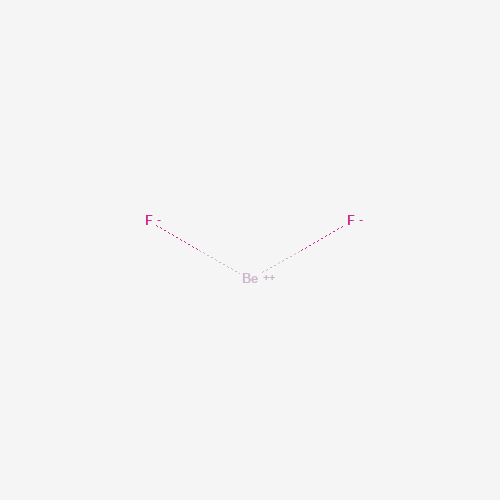
分子式BeF2
分子量47.008988 g/mol
非危品
Physical Description | Beryllium fluoride is an odorless white solid. Denser than water. (USCG, 1999)
科学粮草官-词典编辑部,修订于:2026-07-06
Toxicity
ToxicityEnvironmental Abiotic Degradation
Soluble beryllium salts, such as BeCl2 and BeF2, are hydrolyzed to form insoluble beryllium hydroxides. Oxidation is not expected to be important under environmental conditions(1). In water, beryllium hydroxide is amphoteric; cationic beryllium salts, when dissolved in water, undergo hydrolysis, and the pH of these solutions is acidic. In aqueous alkaline solutions (pH8 and above) beryllates are formed(2).
ICSC Environmental Data
The substance is toxic to aquatic organisms. The substance may cause long-term effects in the aquatic environment. It is strongly advised not to let the chemical enter into the environment.
Symptoms
Chronic beryllium disease causes fatigue, weakness, difficulty breathing, and a persistent dry cough. (L24, L25)
Treatment
Chronic beryllium disease is treated with immunosuppressive medicines, usually of the glucocorticoid class. (L24)
Interactions
Exposure to beryllium fluioride enhanced the toxic response to beryllium sulfate.
Toxicity Data
LD50: 98 mg/kg (Oral, Rat) (L967) LD50: 100 mg/kg (Oral, Mouse) (L967)
Health Effects
Acute inhalation of a high level of beryllium can result in a pneumonia-like condition called acute beryllium disease. Chronic inhalation of beryllium can cause an inflammatory reaction in the respiratory system called chronic beryllium disease. Chronic beryllium disease may result in anorexia and weight loss, as well as right side heart enlargement and heart disease in advanced cases. Chronic exposure can also increase the risk of lung cancer. Skin contact with beryllium results in contact dermatitus. (L24, L25)
Adverse Effects
Fibrogenic - Inducing tissue injury and fibrosis (scarring).
Exposure Routes
Inhalation (L24)
Toxicity Summary
Once in the body, beryllium acts as a hapten and interacts with human leucocyte antigen (HLA) DP presenting cells in the lungs, becoming physically associated with a major histocompatability (MHC) class II molecule. This MHC class II-beryllium-peptide complex is recognized by the T lymphocyte receptor, triggering CD4+ T lymphocyte activation and proliferation. The resulting inflammatory response is a cell-mediated process orchestrated by cytokines and results in the formation of (usually pulmonary) granulomas. Beryllium's toxicity may be controlled by the iron-storage protein ferritin, which sequesters beryllium by binding it and preventing it from interacting with other enzymes. (L25, A37, A91)
Minimum Risk Level
Chronic Oral: 0.002 mg/kg/day (L134)
Carcinogen Classification
1, carcinogenic to humans. (L135)
Non-Human Toxicity Values
LD50 Mice oral 20 mg Be/kg /as BeF2/
Evidence for Carcinogenicity
Beryllium and beryllium compounds are known to be human carcinogens based on sufficient evidence of carcinogenicity from studies in humans. /Beryllium and compounds/









