

 一键配货
一键配货
化合物详情
CAS31876-38-7
分子式C4H2O3
分子量136.1472 g/mol
危化品
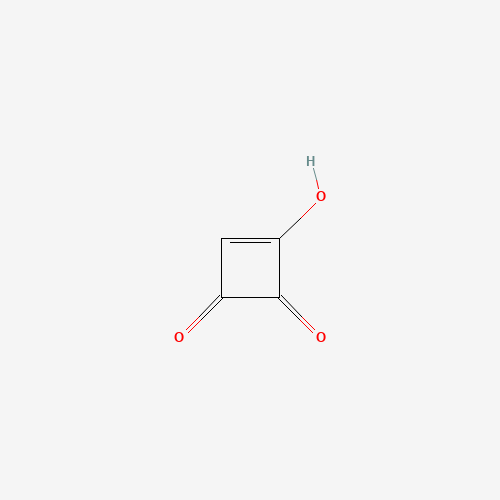
Moniliformin is an enol and an enone.
科学粮草官-词典编辑部,修订于:2026-07-06
Toxicity
ToxicitySymptoms
The main symptoms of acute moniliformin toxication in animals are muscular weakness, respiratory stress, myocardial degeneration, as well as some histopathological changes in organs such as the kidneys, the lungs and the pancreas, followed by coma and death. Kashin-Beck disease is characterized by joint pain, with restriction of movement and joint enlargement. (A3077)
Treatment
Kashin-Beck disease cannot be cured but can be treated with physical therapy and corrective surgery. Natamycin ophthalmic suspension is the drug of choice for filamentous fungal infections such as mycotic keratitis. (L1964, L1828)
Health Effects
Moniliformin is believed to be a cause of Kashin-Beck disease, which causes joint destruction and deformity. It may also have immunosuppressive properties and can cause fungal infections such as mycotic keratitis. (A3021, A3075, A3076, L1970)
Exposure Routes
Oral, dermal, inhalation, and parenteral (contaminated drugs). (A3101)
Toxicity Summary
Moniliformin reversibly inhibits the enzymes pyruvate dehydrogenase and alpha-ketoglutarate dehydrogenase by competing for the binding site of pyruvate. This interferes with the tricarboxylic acid cycle by preventing the necessary incorporation of pyruvate and oxidation of the alpha-ketoglutarate intermediate. Moniliformin has also been shown to interfere with carbohydrate metabolism by inhibiting transketolase and aldose reductase. Moniliformin causes the necrosis of human chondrocytes in cartilage. It does so by increasing the expression of matrix catabolic enzymes, such as MMP-1 and MMP-13, and decreasing the syntheses of extracellular matrix components such as aggrecan and type II collage. This accelerates the catabolism of the extracellular matrix in articular cartilages, inducing...
Carcinogen Classification
No indication of carcinogenicity to humans (not listed by IARC).