


 一键配货
一键配货
化合物详情
CAS34368-04-2
分子式C18H23NO3
分子量301.3801 g/mol
非危品
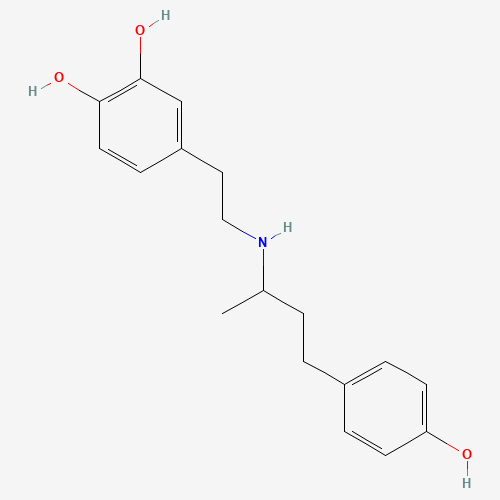
Dobutamine is a catecholamine that is 4-(3-aminobutyl)phenol in which one of the hydrogens attached to the nitrogen is substituted by a 2-(3,4-dihydroxyphenyl)ethyl group. A beta1-adrenergic receptor agonist that has cardiac stimulant action without evoking vasoconstriction or tachycardia, it is used as the hydrochloride to increase the contractility of the heart in the management of acute heart failure. It has a role as a beta-adrenergic agonist, a sympathomimetic agent and a cardiotonic drug. It is a secondary amine and a catecholamine.
科学粮草官-词典编辑部,修订于:2026-07-06
Toxicity
ToxicityAdverse Effects
Phlebitis at the site of the IV administration can occur but is an uncommon reaction. Dobutamine can rarely reduce potassium concentrations to hypokalemic levels. Other rare adverse effects have occurred in 1% to 3% of the patients, including nausea, headaches, chest pain, palpitations, and shortness of breath. Dobutamine contains sulfite, which can lead to reactions in rare patients with sulfite hypersensitivity.
Toxicity Summary
Dobutamine toxicity is rare, and the half-life is short at 2 minutes. Symptoms are generally due to sympathetic overstimulation and can include chest pain, palpitations, headaches, tremors, shortness of breath, nausea, and vomiting. IV metoprolol can be given to reverse the tachycardia caused by dobutamine.
Drug Induced Liver Injury
References: DOI:10.1016/j.drudis.2019.09.022
Effects During Pregnancy and Lactation
Relevant published information in nursing mothers was not found as of the revision date. Unlike dopamine, dobutamine infusion does not affect serum prolactin concentration in infants and in adult males. The prolactin level in a mother with established lactation may not affect her ability to breastfeed.









