


 一键配货
一键配货
化合物详情
CAS7774-29-0
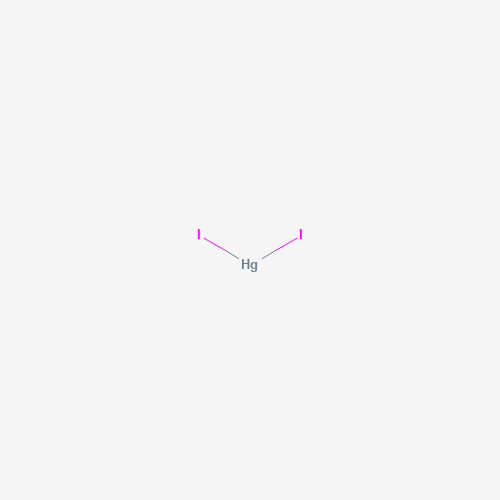
分子式HgI2
分子量454.40 g/mol g/mol
危化品
Mercury diiodide is a mercury coordination entity composed of mercury and iodine with formula HgI2.
科学粮草官-词典编辑部,修订于:2026-07-06
Toxicity
ToxicityEcotoxicity Values
LC50 Plumaria elegans (red alga, sporiing) 156 ug/l 18 hr /Conditions of bioassay not specified/
Symptoms
Common symptoms include peripheral neuropathy (presenting as paresthesia or itching, burning or pain), skin discoloration (pink cheeks, fingertips and toes), edema (swelling), and desquamation (dead skin peels off in layers). (A5)
Treatment
Mercury poisoning is treated by immediate decontamination and chelation therapy using DMSA, DMPS, DPCN, or dimercaprol. (A7)
Toxicity Data
LD50: 18 mg/kg (Oral, Rat) (L439) LD50: 4.2 mg/kg (Intraperitoneal, Rat) (L439)
Health Effects
Mercury mainly affects the nervous system. Exposure to high levels of metallic, inorganic, or organic mercury can permanently damage the brain, kidneys, and developing fetus. Effects on brain functioning may result in irritability, shyness, tremors, changes in vision or hearing, and memory problems. Acrodynia, a type of mercury poisoning in children, is characterized by pain and pink discoloration of the hands and feet. Mercury poisoning can also cause Hunter-Russell syndrome and Minamata disease. (L7)
Adverse Effects
ACGIH Carcinogen - Not Classifiable.
Exposure Routes
Oral (L7); inhalation (L7); dermal (L7)
Toxicity Summary
High-affinity binding of the divalent mercuric ion to thiol or sulfhydryl groups of proteins is believed to be the major mechanism for the activity of mercury. Through alterations in intracellular thiol status, mercury can promote oxidative stress, lipid peroxidation, mitochondrial dysfunction, and changes in heme metabolism. Mercury is known to bind to microsomal and mitochondrial enzymes, resulting in cell injury and death. For example, mercury is known to inhibit aquaporins, halting water flow across the cell membrane. It also inhibits the protein LCK, which causes decreased T-cell signalling and immune system depression. Mercury is also believed to inhibit neuronal excitability by acting on the postsynaptic neuronal membrane. It also affects the nervous system by inhibiting protein...
Minimum Risk Level
Chronic Inhalation: 0.0002 mg/m3 (L134)
Human Toxicity Excerpts
A 31 year old inhabitant of French Guiana was prescribed mercuric iodide per os for a half month. Shortly before the end of the treatment he developed fasciculations in the trunk and particularly the lower limb muscles, distal painful paresthesias with vasomotor disorders, episodes of excessive perspiration and palmoplantar erythema, moderate fluctuating hypertension, progressive loss of weight and irritability with insomnia. Clinical and electrical signs of neuropathy were lacking. The clinical picture was that of Morvan's fibrillary chorea with acrodynia, the conditions of onset strongly suggesting a mercurial intoxication. Blood and particularly urine mercury levels were elevated. Administration of dimercaprol considerably increased urinary excretion of mercury and there was progress...
Carcinogen Classification
3, not classifiable as to its carcinogenicity to humans. (L135)









