


 一键配货
一键配货
化合物详情
CAS10544-72-6
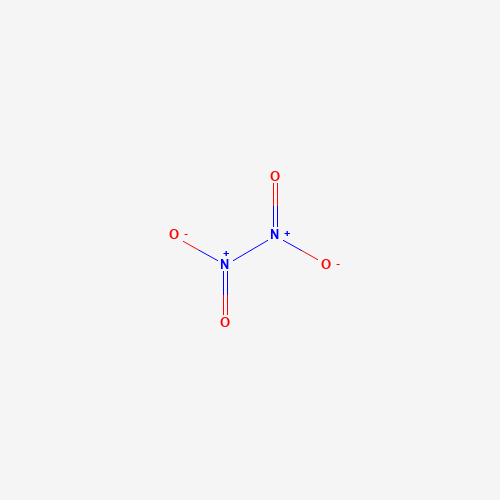
分子式N2O4
分子量92.011 g/mol
危化品
Physical Description | Nitrogen tetroxide appears as red-brown liquid with a sharp, unpleasant chemical odor. Low-boiling (boiling point 21.15 °C) and held as a liquid by compression. Density 1.448 g / cm3. Consists of an equilibrium mixture of brown NO2 (nitrogen dioxide) and colorless N2O4 (dinitrogen tetroxide). Evolves poisonous brown vapors. Cylinders and ton containers may not be equipped with a safety relief device. Prolonged exposure of the containers to fire or heat may result in their violent rupturing and rocketing.
科学粮草官-词典编辑部,修订于:2026-07-06
Toxicity
ToxicityFate Summary
PHOTOCHEMICAL AIR POLLUTION ARISES FROM A SERIES OF ATMOSPHERIC REACTIONS. THE MAIN COMPONENTS ARE OZONE, OXIDES OF NITROGEN, ALDEHYDES, PEROXYACETYL NITRATES, AND HYDROCARBONS. ... THEY ENTER INTO THE CHEMICAL REACTIONS THAT LEAD TO FORMATION OF PHOTOCHEMICAL SMOG. /OXIDES OF NITROGEN/
Ecotoxicity Excerpts
/AQUATIC SPECIES/ No data on the ecotoxicology of nitrogen tetroxide have been found in the literature ... In water, nitrogen tetroxide will decompose to nitrous acid (HNO2) and nitric acid (HNO3), and the aquatic toxicity should be equal to the water concentrations of these substances due to the decomposition of the actual concentrations of nitrogen tetroxide.
Atmospheric Concentrations
IN TERMS OF AMT OF MATERIAL EMITTED ANNUALLY INTO AIR, FIVE MAJOR POLLUTANTS ACCOUNT FOR CLOSE TO 98% OF POLLUTION. ... NITROGEN OXIDES (6%). /NITROGEN OXIDES/
Artificial Pollution Sources
/NITROGEN DIOXIDE & NITROGEN TETROXIDE/ ... ARE ... EVOLVED WHEN NITRATED ORG CMPD BURN OR EXPLODE, OR WHEN ORG CMPD (AS GASOLINE) BURN @ HIGH TEMP IN AIR (AUTOMOBILE EXHAUST). /NITROGEN DIOXIDE AND NITROGEN TETROXIDE/
Probable Routes of Human Exposure
According to the 2006 TSCA Inventory Update Report, the number of workers reasonably likely to be exposed in the industrial manufacturing, processing, and use of nitrogen tetroxide is 1 to 99 persons; the data may be greatly underestimated(1).
Symptoms
Nitrate and nitrite poisoning causes methemoglobinemia. Symptoms include cyanosis, cardiac dysrhythmias and circulatory failure, and progressive central nervous system (CNS) effects. CNS effects can range from mild dizziness and lethargy to coma and convulsions. (L1137)
Treatment
Methemoglobinemia can be treated with supplemental oxygen and methylene blue 1% solution administered intravenously slowly over five minutes followed by IV flush with normal saline. Methylene blue restores the iron in hemoglobin to its normal (reduced) oxygen-carrying state. (L1613)
Interactions
To investigate the protective effect and its mechanisms of N-acetylcysteine (NAC) on acute lung injury (ALI) caused by exposure to high concentration rocket liquid propellants asymmetrical dimethylhydrazine (UDMH) and dinitrogen tetroxide (N(2)O(4)) ... 42 (male Sprague-Dawley) rats were randomly divided into three groups: the control group, the exposure group and the exposure plus the treatment group (NAC group). The rats of the latter two groups were exposed to UDMH 0.98 mg/L for 10 min and then N(2)O(4) 0.19 mg/L for another 10 min. After the exposure, the NAC group rats received immediately 150 mg/kg of NAC intravenously, and reenforced by intraperitoneal injection of NAC with a dose of 50 mg/kg 3 hr after the intravenous injection. The rats of other group were treated with saline i...
Toxicity Data
LC50 (rat) = 105 mg/m3
Health Effects
Nitrate and nitrite poisoning causes methemoglobinemia. Nitrites may cause pregnancy complications and developmental effects. They may also be carcinogenic. (L1137)
Adverse Effects
Toxic Pneumonitis - Inflammation of the lungs induced by inhalation of metal fumes or toxic gases and vapors.
Exposure Routes
Oral (L1137); inhalation (L1137)
Toxicity Summary
Nitrate's toxicity is a result of it's conversion to nitrite once in the body. Nitrite causes the autocatalytic oxidation of oxyhemoglobin to hydrogen peroxide and methemoglobin. This elevation of methemoglobin levels is a condition known as methemoglobinemia, and is characterized by tissue hypoxia, as methemoglobin cannot bind oxygen. (A2450, L1613)
Carcinogen Classification
No indication of carcinogenicity (not listed by IARC). (L135)
Non-Human Toxicity Values
LC50 Rabbit inhalation 315 ppm/15 min Note: this study refers to the mixture of nitrogen dioxide and nitrogen tetroxide. The exposure measurements are related to ppm nitrogen dioxide and does not set the LC50 for nitrogen tetroxide as such.
Non-Human Toxicity Excerpts
/LABORATORY ANIMALS: Acute Exposure/ Methemoglobin levels in rats incr from 1.9% to 36.7% & 54.8% total blood hemoglobin @ 1 hr following application of nitrogen tetroxide to skin.









