


 一键配货
一键配货
化合物详情
CAS10599-90-3
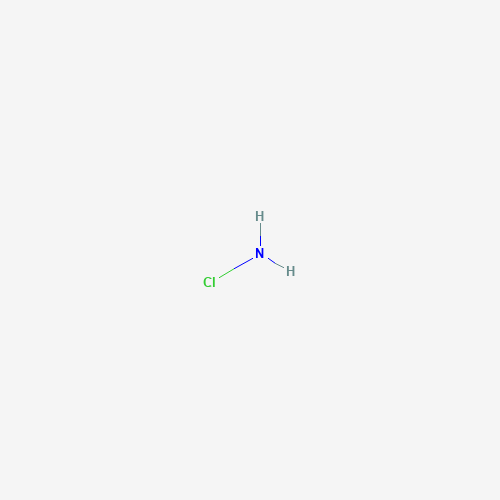
分子式ClH2N
分子量51.476 g/mol
非危品
Physical Description | Chloramine is a colorless to yellow liquid with a strong pungent odor. (NTP, 1992)
科学粮草官-词典编辑部,修订于:2026-07-06
Toxicity
ToxicityFate Summary
AQUATIC FATE: Dilute solutions of chloramine slowly decompose to form nitrogen gas, hydrochloric acid and ammonium chloride(1,2). Biodegradation data were not available(SRC, 2005).
Environmental Abiotic Degradation
Chloramine half-lives ranging from 9 to 420 hours have been reported in water(1). Dilute solutions of chloramine slowly decompose to form nitrogen gas, hydrochloric acid and ammonium chloride(2).
Artificial Pollution Sources
INORGANIC CHLORAMINES ARE FREQUENT CONSTITUENTS OF CHLORINATED WASTE & NATURAL WATERS.
Probable Routes of Human Exposure
Occupational exposure to chloramine may occur through dermal contact with this compound at workplaces where chloramine is produced or used. The general population may be exposed to chloramine through the drinking water where that contains chloramine which is used as a disinfectant for water sources. The general population may also be exposed to chloramine by its formation in situ when ammonia and chloride solutions are combined. (SRC)
Other Environmental Concentrations
Trichloramine, which is formed from chloramine, has been detected in the atmosphere at indoor swimming pools(1).
Environmental Fate / Exposure Summary
Chloramine is produced and used as a chemical intermediate in the synthesis of amines and hydrazine. This product tends to be synthesized in situ and used in chemical reactions. Chloramine decomposes violently to nitrogen oxide gas and ammonium chloride at temperatures above -50 °C. Dilute solutions of chloramine slowly decompose to form nitrogen gas, hydrochloric acid and ammonium chloride. Chloramine can be formed in situ by the combination of ammonia and chlorine containing agents under basic conditions. Biodegradation data were not available. Occupational exposure to chloramine may occur through dermal contact with this compound at workplaces where chloramine is produced or used. The general population may be exposed to chloramine from drinking water and in swimming pools that conta...
Interactions
Chlorination of water containing HCH, heptachlor, metaphos, or chlorophos with chloramine increased /the/ toxicity of pesticides to mice and rats by conversion of pesticides to more toxic products. Organophoshorus pesticides were enhanced more than organochlorine pesticides. Toxic effects given.
Adverse Effects
Toxic Pneumonitis - Inflammation of the lungs induced by inhalation of metal fumes or toxic gases and vapors.
RAIS Toxicity Values
Oral Subchronic Chronic Reference Dose Reference: HEAST Current
Carcinogen Classification
IARC Monographs: Volume 84: (2004) Some Drinking-water Disinfectants and Contaminants, including Arsenic
1 or Cancer Risk Level 1E-06
Fraction of Contaminant Absorbed in Gastrointestinal Tract: 1
Evidence for Carcinogenicity
CLASSIFICATION: D; not classifiable as to human carcinogenicity. BASIS FOR CLASSIFICATION: Based on inadequate human data and equivocal evidence of carcinogenicity from animal bioassays. A 2-year bioassay showed a marginal increase in mononuclear cell leukemia in female F344/N rats. No evidence of carcinogenic activity was reported in male rats or in male or female B6C3F1 mice. Genotoxicity studies, both in vitro and in vivo, gave negative results. HUMAN CARCINOGENICITY DATA: Inadequate. ANIMAL CARCINOGENICITY DATA: Inadequate.
Hazard Quotient Level 3 or Cancer Risk Level 1E-04
Fraction of Contaminant Absorbed in Gastrointestinal Tract: 1









