


 一键配货
一键配货
化合物详情
CAS13762-14-6
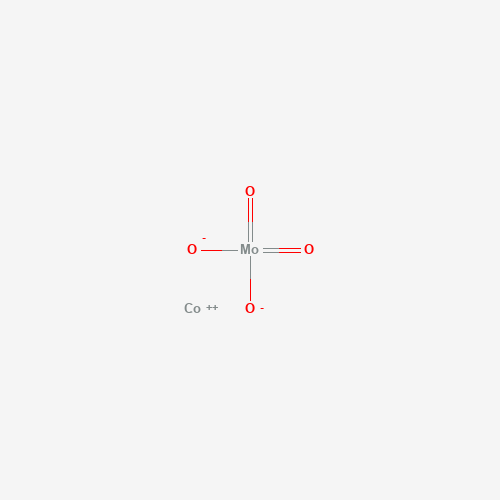
分子式CoMoO4
分子量218.87 g/mol g/mol
危化品
Cobalt(II) molybdenum(VI) oxide is an oxide of cobalt and molybdenum. Cobalt is a metallic element with the atomic number 27. It is found naturally in rocks, soil, water, plants, and animals. In small amounts cobalt is an essential element for life, as it is part of vitamin B12. However, excess exposure is known to exhibit toxic effects. (L29, L30)
科学粮草官-词典编辑部,修订于:2026-07-06
Toxicity
ToxicitySymptoms
Cobalt inhalation can cause asthma-like breathing problems. Skin contact is known to result in contact dermatitis, which is characterized by irritation and rashes. Ingesting large amounts of cobalt may cause nausea and vomiting. (L2090)
Treatment
Treatment of cobalt poisoning is symptomatic. (L29)
Health Effects
Exposure to high amount of cobalt can cause heart, lung, kidney, and liver damage. Skin contact is known to result in contact dermatitis. Cobalt may also have mutagenic and carcinogenic effects. (L29, L30)
Adverse Effects
Skin Sensitizer - An agent that can induce an allergic reaction in the skin.
Exposure Routes
Inhalation (L29); oral (L29); dermal (L29)
Toxicity Summary
Cobalt is believed to exhibit its toxicity through a oxidant-based and free radical-based processes. It produces oxygen radicals and may be oxidized to ionic cobalt, causing increased lipid peroxidation, DNA damage, and inducing certain enzymes that lead to cell apoptosis. Cobalt has also been shown to block inorganic calcium channels, possibly impairing neurotransmission. Cobalt can also chelate lipoic acids, impairing oxidation of pyruvate or fatty acids. In addition, cobalt may inhibit DNA repair by interacting with zinc finger DNA repair proteins, and has also been shown to inhibit heme synthesis and glucose metabolism. Cobalt may activate specific helper T-lymphocyte cells and interact directly with immunologic proteins, such as antibodies (IgA and IgE) or Fc receptors, resulting i...
Minimum Risk Level
Chronic Inhalation: 0.0001 mg/m3 (L134) Intermediate Oral: 0.01 mg/kg/day (L134)
Carcinogen Classification
2B, possibly carcinogenic to humans. (L135)









