


 一键配货
一键配货
化合物详情
CAS13530-65-9
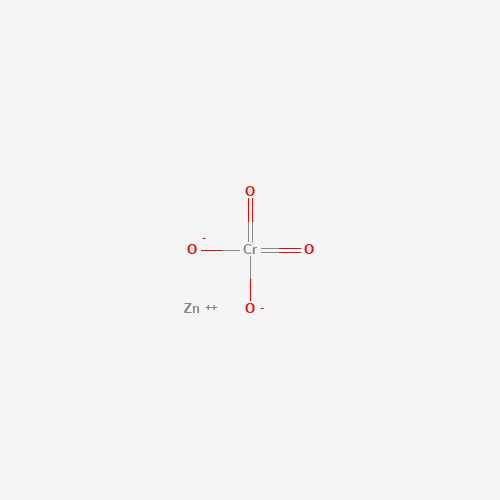
分子式CrH2O4.Zn
分子量181.403 g/mol
非危品
Physical Description | Zinc chromate is an odorless yellow solid. Sinks in water. (USCG, 1999)
科学粮草官-词典编辑部,修订于:2026-07-06
Toxicity
ToxicityEnvironmental Bioconcentration
Food chain concentration potential (zinc chromate): Both chromium and zinc are concentrated by some organisms but are not considered to be bioconcentrative in a spill situation(1).
ICSC Environmental Data
The substance is very toxic to aquatic organisms. Bioaccumulation of this chemical may occur along the food chain. It is strongly advised not to let the chemical enter into the environment.
Probable Routes of Human Exposure
Chromium pigment workers are exposed primarily to lead chromate(VI), although in the past they were also exposed to zinc chromate(VI) and to its raw material, sodium dichromate. The total mean amount of dust in a zinc chromate-producing plant ranged from 1.2-9.8 mg/cu m, with a maximum of 13.6 mg/cu m for workers filling sacks; lower exposure was found for workers mixing raw materials (2.9-6 mg/cu m) and for foremen (1.9-3.8 mg/cu m). The concentration of chromate (as Cr) in the air varied from 0.01-1.35 mg/cu m
Symptoms
Ingestion of large doses of zinc causes stomach cramps, nausea, and vomiting. Acute inhalation of large amounts of zinc causes metal fume fever, which is characterized by chills, fever, headache, weakness, dryness of the nose and throat, chest pain, and coughing. Dermal contact with zinc results in skin irritation. Breathing hexavalent chromium can cause irritation to the lining of the nose, nose ulcers, runny nose, and breathing problems, such as asthma, cough, shortness of breath, or wheezing. Ingestion of hexavalent chromium causes irritation and ulcers in the stomach and small intestine, as well as anemia. Skin contact can cause skin ulcers. (L16, L49)
Treatment
Zinc poisoning is treated symptomatically, often by administering fluids such as water or milk, or with gastric lavage. There is no know antidote for chromium poisoning. Exposure is usually handled with symptomatic treatment. (L16, L49)
Health Effects
Chronic exposure to zinc causes anemia, atazia, lethargy, and decreases the level of good cholesterol in the body. It is also believed to cause pancreatic and reproductive damage. Hexavalent chromium is a known carcinogen. Chronic inhalation especially has been linked to lung cancer. Hexavalent chromium has also been know to cause reproductive and developmental defects. (A12, L49)
Adverse Effects
ACGIH Carcinogen - Confirmed Human.
Exposure Routes
Inhalation (L49); oral (L49); dermal (L49)
Toxicity Summary
Anaemia results from the excessive absorption of zinc suppressing copper and iron absorption, most likely through competitive binding of intestinal mucosal cells. Unbalanced levels of copper and zinc binding to Cu,Zn-superoxide dismutase has been linked to amyotrophic lateral sclerosis (ALS). Stomach acid dissolves metallic zinc to give corrosive zinc chloride, which can cause damage to the stomach lining. Metal fume fever is thought to be an immune response to inhaled zinc. Hexavalent chromium's carcinogenic effects are caused by its metabolites, pentavalent and trivalent chromium. The DNA damage may be caused by hydroxyl radicals produced during reoxidation of pentavalent chromium by hydrogen peroxide molecules present in the cell. Trivalent chromium may also form complexes with pepti...
Minimum Risk Level
Intermediate Oral: 0.3 mg/kg/day (Zinc) (L134) Chronic Oral: 0.3 mg/kg/day (Zinc) (L134) Intermediate Oral: 0.005 mg/kg/day (Hexavalent Chromium) (L134) Chronic Oral: 0.001 mg/kg/day (Hexavalent Chromium) (L134)
Carcinogen Classification
1, carcinogenic to humans. (L135)









