

 一键配货
一键配货
化合物详情
CAS7772-99-8
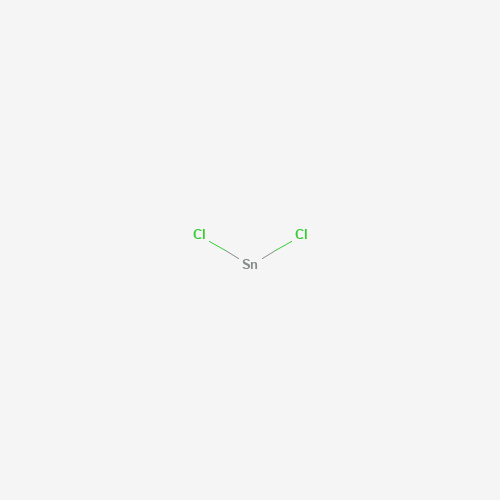
分子式SnCl2
分子量189.62 g/mol g/mol
危化品
Physical Description | Stannous chloride, solid appears as crystalline mass or flaky solid with a fatty appearance. Density 3.95 g / cm3. Melting point 247 °C. Burns, but may be difficult to ignite. Toxic by ingestion. Irritates skin and eyes. Used in the manufacture of dyes, pharmaceuticals and as a tanning agent.
科学粮草官-词典编辑部,修订于:2026-07-06
Toxicity
ToxicityEcotoxicity Values
USDA APHIS Chemical Effects: collection=usda_chemeffect&query_type=synonym&query='^7772-99-8$'
ICSC Environmental Data
The substance is harmful to aquatic organisms.
Symptoms
Inorganic or organic tin compounds placed on the skin or in the eyes can produce skin and eye irritation. (L308)
Treatment
EYES: irrigate opened eyes for several minutes under running water. INGESTION: do not induce vomiting. Rinse mouth with water (never give anything by mouth to an unconscious person). Seek immediate medical advice. SKIN: should be treated immediately by rinsing the affected parts in cold running water for at least 15 minutes, followed by thorough washing with soap and water. If necessary, the person should shower and change contaminated clothing and shoes, and then must seek medical attention. INHALATION: supply fresh air. If required provide artificial respiration.
Toxicity Data
LD50: 41 mg/kg (Intraperitoneal, Mouse) (T57) LD50: 10 g/kg (Oral, Rabbit ) (T14) LD50: 17 800 ug/kg (Intravenous, Mouse) (T14)
Health Effects
Ingestion of large amounts of inorganic tin compounds can cause stomachache, anemia, and liver and kidney problems. (L307, L308)
Adverse Effects
Dermatotoxin - Skin burns.
Exposure Routes
Oral (L308); inhalation (L308); dermal (L308)
Toxicity Summary
Inorganic and organic tin compounds are weak inhibitors of alcohol dehydrogenase. (A183)
Human Toxicity Excerpts
Organotin compounds examined in this study exhibited a relative order of potency for induction of in vitro hemolysis in human erythrocytes as follows: tri-n-butylitin > tri-n-propyltitn > tetra-n-butyltin > triphenyltin chloride > tri-n-ethyltin bromide > dibutyltin dichloride > stannous chloride > tri-n-methyltin chloride + butyltin chloride dihydroxide.
Carcinogen Classification
No indication of carcinogenicity to humans (not listed by IARC).
Populations at Special Risk
Skin disease: Certain inorganic tin cmpd other than oxides are primary skin irritants. Persons with existing skin disorders may be more susceptible to the effects of these agents.