


 一键配货
一键配货
化合物详情
CAS7791-23-3
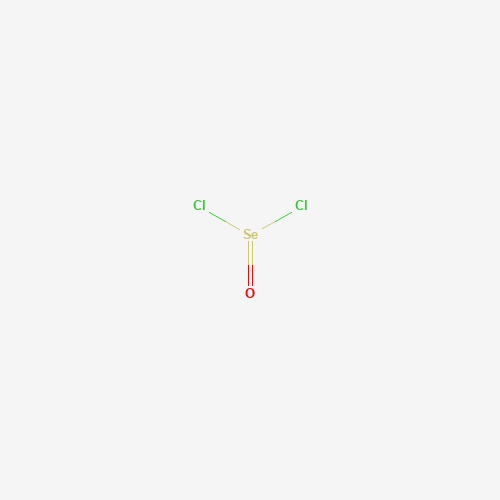
分子式SeOCl2
分子量165.86 g/mol
危化品
Physical Description | Selenium oxychloride appears as a colorless to light-colored liquid. Insoluble in water and denser than water. Contact may severely irritate skin, eyes and mucous membranes. May be toxic by ingestion, inhalation and skin absorption. Used to make other chemicals.
科学粮草官-词典编辑部,修订于:2026-07-06
Toxicity
ToxicityICSC Environmental Data
The substance is harmful to aquatic organisms.
Probable Routes of Human Exposure
... by skin absorption and by inhalation.
Symptoms
Short-term oral exposure to high concentrations of selenium may cause nausea, vomiting, and diarrhea. Brief exposures to high levels of elemental selenium or selenium dioxide in air can result in respiratory tract irritation, bronchitis, difficulty breathing, and stomach pains. Longer-term exposure to either of these air-borne forms can cause respiratory irritation, bronchial spasms, and coughing. (L619)
Health Effects
Chronic oral exposure to high concentrations of selenium compounds can produce a disease called selenosis. The major signs of selenosis are hair loss, nail brittleness, and neurological abnormalities (such as numbness and other odd sensations in the extremities). Animal studies have shown that selenium may also affect sperm production and the female reproductive cycle. (L619)
Adverse Effects
Toxic Pneumonitis - Inflammation of the lungs induced by inhalation of metal fumes or toxic gases and vapors.
Exposure Routes
Oral (L619); inhalation (L619); dermal (L619)
Toxicity Summary
Selenium readily substitutes for sulfur in biomolecules and in many biochemical reactions, especially when the concentration of selenium is high and the concentration of sulfur is low. Inactivation of the sulfhydryl enzymes necessary for oxidative reactions in cellular respiration, through effects on mitochondrial and microsomal electron transport, might contribute to acute selenium toxicity. Selenomethionine (a common organic selenium compound) also appears to randomly substitute for methionine in protein synthesis. This substitution may affect the structure and functionability of the protein, for example, by altering disulfide bridges. Inorganic forms of selenium appear to react with tissue thiols by redox catalysis, resulting in formation of reactive oxygen species and causing damage...
Minimum Risk Level
Chronic Oral: 0.005 mg/kg/day (L134)
Carcinogen Classification
3, not classifiable as to its carcinogenicity to humans. (L135)
Non-Human Toxicity Excerpts
/LABORATORY ANIMALS: Acute Exposure/ The minimum lethal dose, when applied to the skin of a rabbit, is 7 mg/kg.
Populations at Special Risk
... Applicants who will be working with more reactive ... cmpd such as ... selenium oxychloride should /be protected if they/ have had history of dermatitis, chronic bronchitis or any ... skin allergy of resp tract infection. Also those ... with history of liver or kidney disease, jaundice or albuminuria should be excluded. Careful consideration must be given to /SRP: protecting employees during their reproductive years/.
Antidote and Emergency Treatment
Decontamination: Inhalation. Immediately remove the victim from exposure and give supplemental oxygen if available. Skin and eyes. Remove contaminated clothing and wash exposed skin with soap and copious water. Irrigate exposed eyes with copious tepid water or saline. Ingestion. Ingestion of elemental selenium or selenium salts does not usually benefit from GI decontamination. In light of the risk of severe corrosive GI injury, gastric lavage plus activated charcoal may be of value for ingestion s of selenious acid seen within 1 hour. Invitro experiments indicate that vitamin C can reduce selenium salts to elemental selenium, which poorly absorbed. Its use has not been studied in vivo, but oral or nasogastric administration of several grams of ascorbic acid has been recommended. /Selenium/









