


 一键配货
一键配货
化合物详情
CAS542-83-6
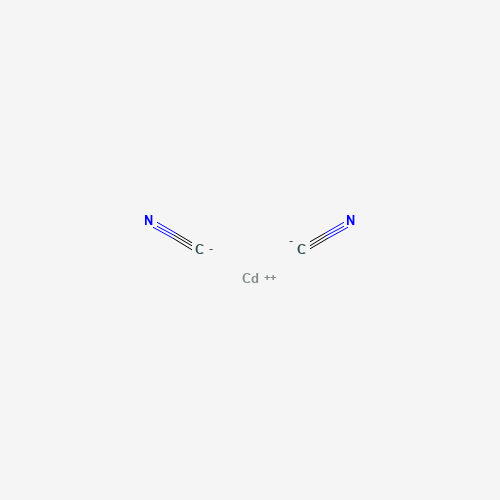
分子式Cd(CN)2
分子量150.41 g/mol
危化品
Cadmium cyanide is a chemical compound of cadmium and cyanide prepared by treating a concentrated aqueous solution of cadmium chloride or cadmium nitrate with potassium cyanide or sodium cyanide. It is used as an electrolyte for electrodeposition of thin metallic cadmium coatings on metal to protect against corrosion. Cadmium is a transition metal and chemical element with the symbol Cd and atomic number 48. It is found naturally in the earth's crust, though rarely on it's own. (L6, L460)
科学粮草官-词典编辑部,修订于:2026-07-06
Toxicity
ToxicitySymptoms
Acute inhalation of cadmium fumes results in metal fume fever, which is characterized by chills, fever, headache, weakness, dryness of the nose and throat, chest pain, and coughing. Ingestion of cadmium causes vomiting and diarrhea. Cyanide poisoning is identified by rapid, deep breathing and shortness of breath, general weakness, giddiness, headaches, vertigo, confusion, convulsions/seizures and eventually loss of consciousness. (L6, L96, L97)
Treatment
Cadmium poisoning is treated by removal from exposure and supportive care. If ingested, induced vomiting or gastric lavage may be performed. Antidotes to cyanide poisoning include hydroxocobalamin and sodium nitrite, which release the cyanide from the cytochrome system, and rhodanase, which is an enzyme occurring naturally in mammals that combines serum cyanide with thiosulfate, producing comparatively harmless thiocyanate. Oxygen therapy can also be administered. (L97, L139)
Health Effects
Chronic exposure to cadmium fumes can cause chemical pneumonitis, pulmonary edema, and lung diseases such as bronchitis and emphysema. Cadmium also accumulates in the kidneys, causing permanent damage. Loss of bone density also occurs. Exposure to high levels of cyanide for a short time harms the brain and heart and can even cause coma, seizures, apnea, cardiac arrest and death. Chronic inhalation of cyanide causes breathing difficulties, chest pain, vomiting, blood changes, headaches, and enlargement of the thyroid gland. Skin contact with cyanide salts can irritate and produce sores. (L6, L96, L97)
Adverse Effects
Other Poison - Chemical Asphyxiant
Exposure Routes
Oral (L6); inhalation (L6); dermal (L6)
Toxicity Summary
Cadmium initially binds to metallothionein and is transported to the kidney. Toxic effects are observed once the concentration of cadmium exceeds that of available metallothionein, and it has also been shown that the cadmium-metallothionein complex may be damaging. Accumulation of cadmium in the kidney results in increased excretion of vital low and high weight molecular proteins. Cadmium is a high affinity zinc analog and can interfere in its biological processes. It also binds to and activates the estrogen receptor, likely stimulating the growth of certain types of cancer cells and causing other estrogenic effects, such as reproductive dysfunction. Cadmium causes cell apoptosis by activating mitogen-activated protein kinases. Organic nitriles decompose into cyanide ions both in vivo a...
Minimum Risk Level
Acute Inhalation: 0.00003 mg/m3 (Cadmium) (L134) Chronic Inhalation: 0.00001 mg/m3 (Cadmium) (L134) Intermediate Oral: 0.0005 mg/kg/day (Cadmium) (L134) Chronic Oral: 0.0001 mg/kg/day (Cadmium) (L134)
Carcinogen Classification
1, carcinogenic to humans. (L135)









