


 一键配货
一键配货
化合物详情
CAS7647-18-9
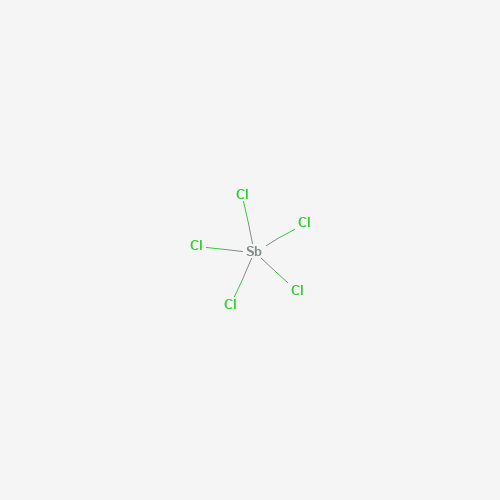
分子式Cl5Sb
分子量299.02 g/mol
危化品
Physical Description | Antimony pentachloride, liquid appears as a reddish-yellow fuming liquid with a pungent odor. Fumes are irritating to the eyes and mucous membranes. Solidifies at 37 °F. Corrosive to metals and tissue. Used to make other chemicals, and in chemical analysis.
科学粮草官-词典编辑部,修订于:2026-07-06
Toxicity
ToxicitySymptoms
Abdominal pain, vomiting, diarrhea can result from inhalation of antimony. Dyspnea, headache, vomiting,cough, conjunctivitis, and bloody purulent discharge from nose can result from inhalation exposure. Skin or eye contact can cause pain and redness of the exposed surface. (T64, L741)
Treatment
Following oral exposure to antimony, administer charcoal as a slurry (240 mL water/30 g charcoal). Following inhalation exposure, move patient to fresh air. Monitor for respiratory distress. If cough or difficulty breathing develops, evaluate for respiratory tract irritation, bronchitis, or pneumonitis. Administer oxygen and assist ventilation as required. Treat bronchospasm with inhaled beta2 agonist and oral or parenteral corticosteroids. In case of eye exposure, irrigate exposed eyes with copious amounts of room temperature water for at least 15 minutes. Following dermal exposure, remove contaminated clothing and wash exposed area thoroughly with soap and water. A physician may need to examine the area if irritation or pain persists. (T36)
Interactions
Tumor necrosis factor-alpha (TNF-alpha) is a mediator of inflammation and has an important role in human and experimental renal diseases. Pentoxifylline (PTX) has been shown to inhibit cytokine synthesis, including TNF-alpha. The aim of the present study was to examine the effect of PTX on meglumine antimonate (Sb(V)) and antimony pentachloride (SbCl(5))-induced renal toxicity in rats. Sixty Wistar rats were divided into six groups according to the treatment employed over the period of 7 days: group I-saline (NaCl 0.9%); group II-PTX plus saline; group III-meglumine antimonate (Sb(V)) plus saline; group IV-meglumine antimonate (Sb(V)) plus PTX; group V-SbCl(5) plus saline; group VI-SbCl(5) with PTX. The animals' urinary concentration ability was evaluated before and after the end of the...
Toxicity Data
LD50: 1115 mg/kg (Oral, Rat) (L792) LD50: 900 mg/kg (Oral, Guinea pig) (L792)
Health Effects
Dermal exposure to antimony can cause antimony spots (papules and pustules around sweat and sebaceous glands). Antimony poisoning can also lead to pneumoconiosis. Alterations in pulmonary function and other effects including chronic bronchitis, chronic emphysema, inactive tuberculosis, pleural adhesions, and irritation can result from inhalation of antimony. Increased blood pressure can also result from antimony poisoning. Myocardial depression, vasodilation and fluid loss may cause shock with hypotension, electrolyte disturbances and acute renal failure. Cerebral oedema, coma, convulsions, and death are possible. (L741)
Adverse Effects
Toxic Pneumonitis - Inflammation of the lungs induced by inhalation of metal fumes or toxic gases and vapors.
Exposure Routes
Inhalation (L741); oral (L741); dermal (L741)
Toxicity Summary
The inhalation data suggest that the myocardium is a target of antimony toxicity. It is possible that antimony affects circulating glucose by interfering with enzymes of the glycogenolysis and gluconeogenesis pathways. The mechanism of action of antimony remains unclear. However, some studies suggest that antimony combines with sulfhydryl groups including those in several enzymes important for tissue respiration. The antidotal action of BAL depends on its ability to prevent or break the union between antimony and vital enzymes. Moreover, the The cause of death is believed to be essentially the same as that in acute arsenic poisoning. Antimony pentachloride reacts with water to form hydrochloric acid which has a direct corrosive effect on mucous membranes. (L793, T18, L741, A238)
Human Toxicity Excerpts
/CASE REPORTS/ The effects of poisoning with diborane, hydrogen-sulfide (H2S), chlorine, phosgene, carbon-monoxide, or antimony-pentachloride were examined in 55 patients with pulmonary edema. Most of the cases of intoxication resulted from accidental acute exposure to gaseous agents in industrial settings. Chlorine gas in low concentrations induced damage to the mucosa of the nose and throat because of the solubility of the gas in water. Greater concentrations gave rise to severe pulmonary congestion and edema due to the hydrolysis of chlorine to hydrochloric-acid in the parenchymal lung tissue. Phosgene produced irritation of the conjunctiva, nasal, and pharyngeal membranes at low concentrations. At higher exposures, bronchial, bronchiolar, and alveolar inflammatory reactions ensued....
Carcinogen Classification
No indication of carcinogenicity (not listed by IARC). (L135)
Non-Human Toxicity Values
LD50 Guinea pigs oral 900 mg/kg
Non-Human Toxicity Excerpts
/GENOTOXICITY/ According to the available genotoxicity studies, antimony-V-chloride is negative in the Salmonella/microsome test in strains TA 98 and TA 100 with and without metabolic activation, and does not increase the sister chromatid exchange rate in mammalian cells in vitro. Of three spot tests with antimony-V-chloride in Bacillus subtilis, two were positive and one was negative. Overall, the genotoxic potential of the substance cannot be evaluated based on these studies.
Antidote and Emergency Treatment
Call for medical aid. ... Move victim to fresh air. If breathing has stopped, give artificial respiration. If breathing is difficult, give oxygen. ... Remove contaminated clothing and shoes. Flush affected areas with plenty of water. If in eyes, hold eyelids open and flush with plenty of water. If swallowed and victim is conscious, have victim drink water or milk. Do not induce vomiting.









