

 一键配货
一键配货
化合物详情
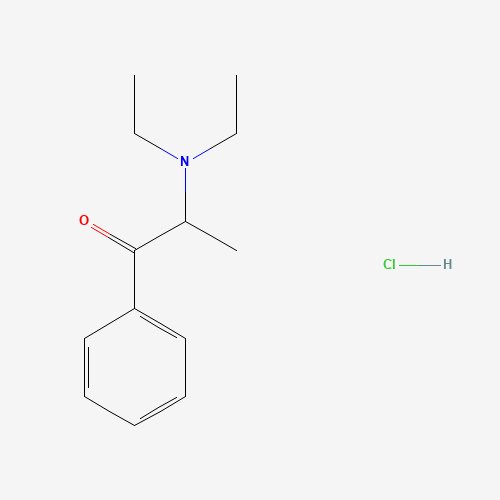
CAS134-80-5
分子式C13H19NO
分子量205.30 g/mol
非危品
Diethylpropion Hydrochloride is a sympathomimetic amine structurally similar to amphetamine with anorexiant activity. Diethylpropion hydrochloride stimulates the central nervous system and increases the release of norepinephrine and dopamine from nerve terminals and inhibits their uptake. This suppresses appetite, increases motor activity, causes euphoria, mental alertness and excitement. This drug may also cause an increase in heart rate and blood pressure. Diethylpropion hydrochloride is used in the treatment of obesity.
科学粮草官-词典编辑部,修订于:2026-07-06
Toxicity
ToxicitySymptoms
Manifestation of acute overdosage include restlessness, tremor, hyperreflexia, rapid respiration, confusion, assaultiveness, hallucinations, and panic states.
Treatment
Management of acute diethylpropion hydrochloride intoxication is largely symptomatic and includes lavage and sedation with a barbiturate. Experience with hemodialysis or peritoneal dialysis is inadequate to permit recommendation in this regard. Intravenous phentolamine (Regitine
Lethal Dose
collection=toxvaldb&kind=^LD$
Toxicity Data
LD50: 600 mg/kg (Oral, Mouse) (A308) LD50: 50 mg/kg (Oral, Rat) (A308) LD50: 225 mg/kg (Oral, Dog) (A308)
Health Effects
Using large amounts of these drugs can result in a condition known as amphetamine psychosis -- which can result in auditory, visual and tactile hallucinations, intense paranoia, irrational thoughts and beliefs, delusions, and mental confusion.
Exposure Routes
Diethylpropion is rapidly absorbed from the GI tract after oral administration.
Toxicity Summary
Diethylpropion is an amphetamine that stimulates neurons to release or maintain high levels of a particular group of neurotransmitters known as catecholamines; these include dopamine and norepinephrine. High levels of these catecholamines tend to suppress hunger signals and appetite. Diethylpropion (through catecholamine elevation) may also indirectly affect leptin levels in the brain. It is theorized that diethylpropion can raise levels of leptin which signal satiety. It is also theorized that increased levels of the catecholamines are partially responsible for halting another chemical messenger known as neuropeptide Y. This peptide initiates eating, decreases energy expenditure, and increases fat storage.
Carcinogen Classification
No indication of carcinogenicity to humans (not listed by IARC).
Drug Induced Liver Injury
References: DOI:10.1016/j.drudis.2016.02.015