


 一键配货
一键配货
化合物详情
CAS7783-70-2
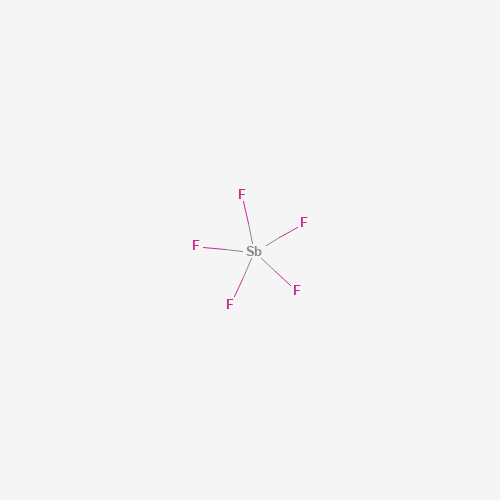
分子式F5Sb
分子量216.75 g/mol
危化品
Physical Description | Antimony pentafluoride appears as a colorless, oily liquid. Fumes irritate the eyes and mucous membranes. Toxic. Corrosive to metals and tissue. Extremely dangerous to tissue; its burns may be followed by gangrene. Only shipped in cylinders. Under prolonged exposure to heat cylinders may violently rupture and rocket. Used to make other chemicals as well as a catalyst in the manufacture of other chemicals.
科学粮草官-词典编辑部,修订于:2026-07-06
Toxicity
ToxicityICSC Environmental Data
The substance is toxic to aquatic organisms.
Artificial Pollution Sources
Antimony pentafluoride's production and use in the fluorination of organic compounds(1) may result in its release to the environment through various waste streams(SRC).
Symptoms
Ingestion Exposure: Burns in mouth and throat. Sore throat. Burning sensation. Abdominal pain. Diarrhoea. Vomiting. Shock or collapse.
Toxicity Data
LC50 (mice) = 270 mg/m3
Adverse Effects
Toxic Pneumonitis - Inflammation of the lungs induced by inhalation of metal fumes or toxic gases and vapors.
Exposure Routes
Serious local effects and systemic effects by all routes of exposure.
Toxicity Summary
IDENTIFICATION AND USE: Antimony pentafluoride is a hygroscopic, viscous liquid. It is used in the fluorination of organic compounds. HUMAN STUDIES: It is a corrosive liquid to skin, eyes, mucous membranes. ANIMAL STUDIES: Distribution in rats after chronic poisoning by inhalation of antimony pentafluoride showed high antimony concentration in blood. Levels in liver, kidneys, spleen and pancreas were similar. The antimony was retained for a long time and could be detected in organs under examination one month after experiment discontinued.
Human Toxicity Excerpts
/SIGNS AND SYMPTOMS/ A very reactive, corrosive liquid to skin, eyes, mucous membranes.
Evidence for Carcinogenicity
A4; Not classifiable as a human carcinogen. /Fluorides, as F/
Antidote and Emergency Treatment
If this chemical gets into the eyes, remove any contact lenses at once and irrigate immediately for at least 15 min, occasionally lifting upper and lower lids. Seek medical attention immediately. If this chemical contacts the skin, remove contaminated clothing and wash immediately with soap and water. Seek medical attention immediately. If this chemical has been inhaled, remove from exposure, begin rescue breathing (using universal precautions, including resuscitation mask) if breathing has stopped and CPR if heart action has stopped. Transfer promptly to a medical facility. When this chemical has been swallowed, get medical attention. If victim is conscious, administer water or milk. Do not induce vomiting. Medical observation is recommended for 24-48 hr after breathing overexposure, a...









