


 一键配货
一键配货
化合物详情
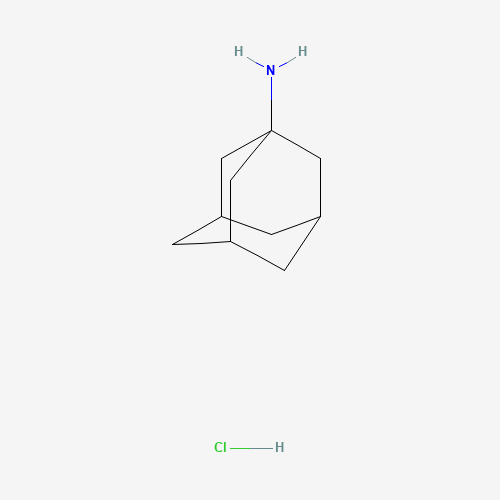
CAS665-66-7
分子式C10H17N·HCl
分子量187.71 g/mol g/mol
危化品
Amantadine Hydrochloride can cause developmental toxicity according to state or federal government labeling requirements.
科学粮草官-词典编辑部,修订于:2026-07-06
Toxicity
ToxicitySymptoms
Deaths have been reported from overdose with amantadine. The lowest reported acute lethal dose was 2 grams. Drug overdose has resulted in cardiac, respiratory, renal or central nervous system toxicity. Cardiac dysfunction includes arrhythmia, tachycardia and hypertension. Pulmonary edema and respiratory distress (including ARDS) have been reported. Renal dysfunction including increased BUN, decreased creatinine clearance and renal insufficiency can occur. Central nervous system effects that have been reported include insomnia, anxiety, aggressive behavior, hypertonia, hyperkinesia, tremor, confusion, disorientation, depersonalization, fear, delirium, hallucination, psychotic reactions, lethargy, somnolence and coma. Seizures may be exacerbated in patients with prior history of seizure d...
Treatment
There is no specific antidote for an overdose of Amantadine. However, slowly administered intravenous physostigmine in 1 and 2 mg doses in an adult2 at 1- to 2-hour intervals and 0.5 mg doses in a child3 at 5- to 10-minute intervals up to a maximum of 2 mg/hour have been reported to be effective in the control of central nervous system toxicity caused by amantadine hydrochloride. For acute overdosing, general supportive measures should be employed along with immediate gastric lavage or induction of emesis. Fluids should be forced, and if necessary, given intravenously. The pH of the urine has been reported to influence the excretion rate of Amantadine. (L1744)
Toxicity Data
LD50: 800 mg/kg (Oral, Rat) LD50: 700 mg/kg (Oral, Mouse)
Health Effects
Acute overdosage of amantadine has resulted in cardiac dysfunction (e.g., arrhythmia, tachycardia, hypertension); pulmonary edema and respiratory distress (including adult respiratory distress syndrome); renal dysfunction (e.g., increased BUN, decreased creatinine clearance, renal insufficiency); or CNS toxicity (e.g., insomnia, anxiety, psychotic reactions, lethargy, somnolence, coma). Hyperthermia also has occurred with amantadine overdosage. In addition, seizures may be exacerbated in patients with a history of a seizure disorder (A620).
Exposure Routes
Inhalation. Amantadine is well absorbed orally from the gastrointestinal tract.
Toxicity Summary
The mechanism of its antiparkinsonic effect is not fully understood, but it appears to be releasing dopamine from the nerve endings of the brain cells, together with stimulation of norepinephrine response. It also has NMDA receptor antagonistic effects. The antiviral mechanism seems to be unrelated. The drug interferes with a viral protein, M2 (an ion channel), which is needed for the viral particle to become "uncoated" once it is taken inside the cell by endocytosis.
Carcinogen Classification
No indication of carcinogenicity to humans (not listed by IARC).
Drug Induced Liver Injury
References: DOI:10.1016/j.drudis.2016.02.015
Effects During Pregnancy and Lactation
Amantadine is a dopamine agonist. Clinical studies using amantadine dosages of 100 mg 2 or 3 times daily have demonstrated a decrease in serum prolactin and decreased galactorrhea in patients taking dopaminergic neuroleptic drugs such as phenothiazines, haloperidol and loxapine. No studies have been reported on the effects of amantadine on the milk supply in nursing mothers. The maternal prolactin level in a mother with established lactation may not affect her ability to breastfeed.









