


 一键配货
一键配货
化合物详情
CAS7558-79-4
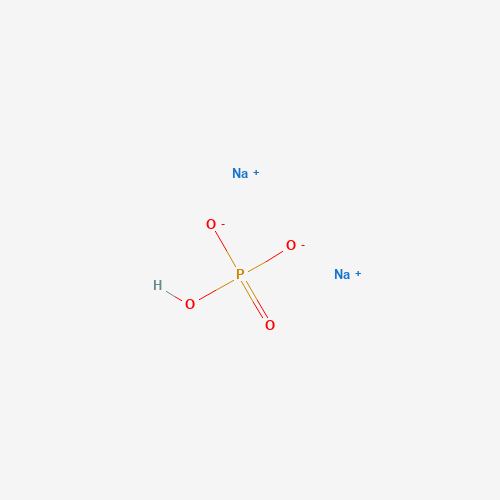
分子式Na2HPO4
分子量141.96 g/mol g/mol
危化品
Physical Description | Sodium phosphate, dibasic appears as a colorless to white crystalline solid. Soluble in water. The primary hazard is the threat to the environment. Immediate steps should be taken to limit spread to the environment. Used as a fertilizer, in pharmaceuticals, in food processing, and for many other uses.
科学粮草官-词典编辑部,修订于:2026-07-06
Toxicity
ToxicityEcotoxicity Values
LC50; Species: Daphnia magna (Water flea); Condtions: freshwater, static, 21-25 °C; Concentration: 1089 mg/L for 50 hr
Probable Routes of Human Exposure
NIOSH (NOES Survey 1981-1983) has statistically estimated that 1,230,592 workers (912,048 of these were female) were potentially exposed to disodium hydrogen phosphate in the US(1). The NOES Survey does not include farm workers. Occupational exposure to disodium hydrogen phosphate may occur through inhalation and dermal contact with this compound at workplaces where disodium hydrogen phosphate is produced or used(SRC).
Other Environmental Concentrations
In August of 1987, 30,000 gallons of sodium phosphate was spilled into the Arthur Krill waterway, NY(1).
Symptoms
Ingestion Exposure: Abdominal pain. Diarrhoea.
Toxicity Summary
Cosmetic Ingredient Review Finding(s): Safe for use in cosmetics, with qualifications
RAIS Toxicity Values
Oral Subchronic Chronic Reference Dose Reference: PPRTV Current
Human Toxicity Values
The estimated fatal dose of sodium phosphates is 50 g. The corrosive effect is strong irritation and erythema, blistering. /Alkalies and phosphates; from table/
Acceptable Daily Intakes
FAO/WHO EXPERT COMMITTEE ON FOOD ADDITIVES...RECOMMENDED.../LEVELS/ FOR TOTAL DIETARY PHOSPHORUS...UNCONDITIONAL ACCEPTANCE LEVEL /OF LESS THAN 30 MG/KG BODY WT/ IS CONSIDERED SAFE IN ANY TYPE OF DIET...CONDITIONAL ACCEPTANCE LEVEL /OF 30-70 MG/KG BODY WT/ IS ACCEPTABLE ONLY WHEN DIETARY CALCIUM LEVEL IS HIGH /PHOSPHATES/
Non-Human Toxicity Values
LD50 Rat oral 17 g/kg
Non-Human Toxicity Excerpts
/VETERINARY ANIMALS/ Application of a sodium phosphate containing enema caused life-threatening metabolic disorders in a Dachshund and two cats. Clinical signs were characterised by dehydration and various neurological deficits including seizures. Most striking laboratory abnormalities were hypernatremia, hypocalcemia, hyperphosphatemia, and polycythemia. Despite intensive treatment the dog died, whereas the cats recovered completely. In face of possible severe and potentially fatal metabolic abnormalities sodium phosphate enemas, such as Practo-Clyss, should be used with caution or not at all in cats and small dogs.
Populations at Special Risk
Phosphate should not be given to patients with impaired renal function or hyperphosphatemia. They should not be given to patients with alkaline urine due to urinary tract infections because increased calcium and phosphate concentrations in the alkaline urine increase the risk of calcium phosphate stones. /Monobasic or dibasic sodium or potassium phosphate/
1 or Cancer Risk Level 1E-06
Fraction of Contaminant Absorbed in Gastrointestinal Tract: 1
Antidote and Emergency Treatment
Advanced treatment: Consider orotracheal or nasotracheal intubation for airway control in the patient who is unconscious, has severe pulmonary edema, or is in severe respiratory distress. Early intubation, at the first sign of upper airway obstruction, may be necessary. Positive-pressure ventilation techniques with a bag valve mask device may be beneficial. Consider drug therapy for pulmonary edema ... . Consider administering a beta agonist such as albuterol for severe bronchospasm ... . Monitor cardiac rhythm and treat arrhythmias as necessary ... . Start IV administration of D5W /SRP: "To keep open", minimal flow rate/. Use 0.9% saline (NS) or lactated Ringer's(LR) if signs of hypovolemia are present. For hypotension with signs of hypovolemia, administer fluid cautiously. Consider va...
Hazard Quotient Level 3 or Cancer Risk Level 1E-04
Fraction of Contaminant Absorbed in Gastrointestinal Tract: 1









