


 一键配货
一键配货
化合物详情
CAS7727-15-3
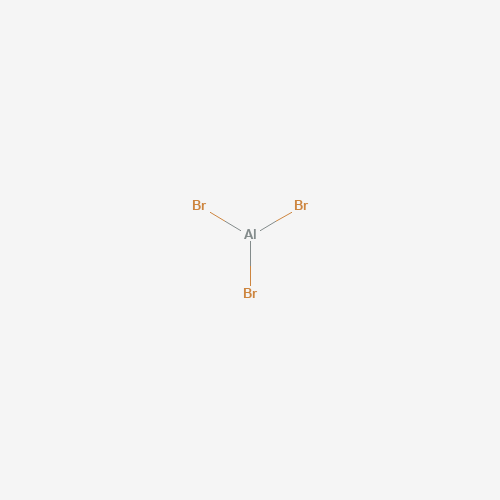
分子式AlBr3
分子量266.69 g/mol g/mol
危化品
Physical Description | Aluminum bromide, anhydrous appears as a white to yellowish-red, lumpy solid with a pungent odor.
科学粮草官-词典编辑部,修订于:2026-07-06
Toxicity
ToxicityProbable Routes of Human Exposure
Anhydrous aluminum bromide is hazardous because of its affinity for water. It may cause tissue burns, and both it and the hydrate may be toxic upon ingestion.
Symptoms
Bromine vapour causes irritation and direct damage to the mucous membranes. Symptoms include lacrimation, rhinorrhoea, eye irritation with mucous secretions from the oropharyngeal and upper airways, coughing, dyspnoea, choking, wheezing, epistaxis, and headache. The bromide ion is a central nervous system depressant producing ataxia, slurred speech, tremor, nausea, vomiting, lethargy, dizziness, visual disturbances, unsteadiness, headaches, impaired memory and concentration, disorientation and hallucinations. This is called bromism. Inhalating aluminum dust causes coughing and abnormal chest X-rays. A small percentage of people are allergic to aluminium and experience contact dermatitis, digestive disorders, vomiting or other symptoms upon contact or ingestion of products containing alu...
Treatment
EYES: irrigate opened eyes for several minutes under running water. INGESTION: do not induce vomiting. Rinse mouth with water (never give anything by mouth to an unconscious person). Seek immediate medical advice. SKIN: should be treated immediately by rinsing the affected parts in cold running water for at least 15 minutes, followed by thorough washing with soap and water. If necessary, the person should shower and change contaminated clothing and shoes, and then must seek medical attention. INHALATION: supply fresh air. If required provide artificial respiration.
Toxicity Data
LD50: 1068 mg/kg (Intraperitoneal, Mouse) (T14) LD50: 1623 mg/kg (Oral, Mouse) (T14)
Health Effects
Bromine vapour causes irritation and direct damage to the mucous membranes. Elemental bromine also burns the skin. The bromide ion is a central nervous system depressant and chronic exposure produces neuronal effects. This is called bromism and can result in central reactions reaching from somnolence to coma, cachexia, exicosis, loss of reflexes or pathologic reflexes, clonic seizures, tremor, ataxia, loss of neural sensitivity, paresis, papillar edema of the eyes, abnormal speech, cerebral edema, delirium, aggressiveness, and psychoses. Aluminum targets the nervous system and causes decreased nervous system performance and is associated with altered function of the blood-brain barrier. The accumulation of aluminum in the body may cause bone or brain diseases. High levels of aluminum ha...
Adverse Effects
Toxic Pneumonitis - Inflammation of the lungs induced by inhalation of metal fumes or toxic gases and vapors.
Exposure Routes
Oral (L626); inhalation (L626); dermal (L626)
Toxicity Summary
Bromine is a powerful oxidizing agent and is able to release oxygen free radicals from the water in mucous membranes. These free radicals are also potent oxidizers and produce tissue damage. In additon, the formation of hydrobromic and bromic acids will result in secondary irritation. The bromide ion is also known to affect the central nervous system, causing bromism. This is believed to be a result of bromide ions substituting for chloride ions in the in actions of neurotransmitters and transport systems, thus affecting numerous synaptic processes. The main target organs of aluminum are the central nervous system and bone. Aluminum binds with dietary phosphorus and impairs gastrointestinal absorption of phosphorus. The decreased phosphate body burden results in osteomalacia (softening...
Minimum Risk Level
Intermediate Oral: 1.0 mg/kg/day (Aluminum) (L134) Chronic Oral: 1.0 mg/kg/day (Aluminum) (L134)
Human Toxicity Excerpts
/OTHER TOXICITY INFORMATION/ Anhydrous aluminum bromide is hazardous because of its affinity for water. It may cause tissue burns, and both it and the hydrate may be toxic upon ingestion.
Carcinogen Classification
Not listed by IARC. IARC classified aluminum production as carcinogenic to humans (Group 1), but did not implicate aluminum itself as a human carcinogen. (L135) A link between use of aluminum-containing antiperspirants and increased risk of breast cancer has been proposed (A235), but studies have not been able to establish a clear link (A15468).
Non-Human Toxicity Excerpts
/LABORATORY ANIMALS: Acute Exposure/ The acute toxicity of four aluminum compounds and the antidotal efficacy of several chelating agents were investigated in rats and mice. The oral and ip doses which were lethal in 50% of animals (LD50) were determined for aluminum nitrate (Al(NO3)3), aluminum chloride (AlCl3), aluminum sulfate (Al2(SO4)3), and aluminum bromide (AlBr3) in Sprague Dawley rats and Swiss mice. Acute oral toxicities of the compounds were much lower than acute ip toxicities. AlBr3 was the most toxic compound when given orally. ...The clinical and physical signs appearing after intoxication include among other lethargy, decreased locomotor activity, piloerection, weight loss and perorbital bleeding. ...The majority of deaths in both species occurred within the first 4 days...









