


 一键配货
一键配货
化合物详情
CAS7758-94-3
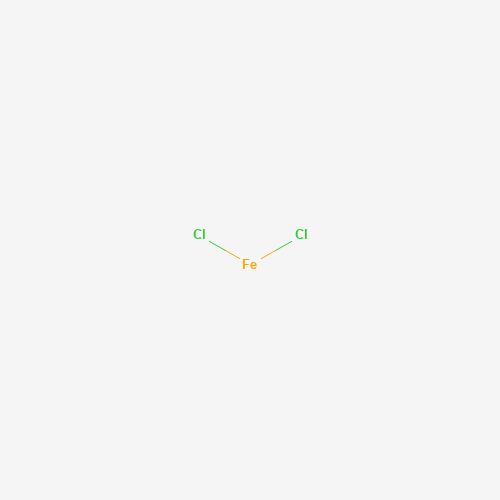
分子式FeCl2
分子量126.75 g/mol g/mol
危化品
Physical Description | Ferrous chloride is a greenish white crystalline solid. It is soluble in water. It is noncombustible. It is used in sewage treatment, in dyeing of fabrics, and for many other uses.
科学粮草官-词典编辑部,修订于:2026-07-06
Toxicity
ToxicityICSC Environmental Data
The substance is harmful to aquatic organisms.
Natural Pollution Sources
OCCURS IN NATURE AS THE MINERAL LAWRENCITE.
Symptoms
Ingestion Exposure: Sore throat. Abdominal pain. Nausea. Vomiting. Diarrhoea.
Interactions
The addition of iron as ferrous chloride or ferric chloride at 10 ppm (approximately 50% of endogenous concentrations) doubles the mutagenic activity of beef extracts. Iron, which can be released by denaturation of heme protein, therefore, can modulate the formation of mutagens in beef during cooking.
Adverse Effects
Dermatotoxin - Skin burns.
Exposure Routes
The substance can be absorbed into the body by ingestion.
Human Toxicity Values
As little as 1 to 2 g of iron may cause death, but 2 to 10 g is usually ingested in fatal cases. /Iron & iron salts/
Antidote and Emergency Treatment
The standard bicarbonate solution (1 ml (mEq/ml)/kg administered after lavage or emesis) may be the only oral solution necessary in most cases. Whether this solution significantly decreases iron absorption remains controversial; conventional antacids may be an equally safe alternative. However, in severe ingestions the addition of 5 to 10 g of deferoxamine may be theoretically helpful at the end of lavage. All potentially serious iron ingestions should receive an abdominal x-ray, and the decontamination procedures should be replaced if the upright abdominal film shows retained tablets. The use of undiluted sodium dihydrogen phosphate solution (Fleets Phosphasoda Enema) has caused severe hypernatremia and hypocalcemia. This solution appears less efficacious in vitro than bicarbonate in c...









