


 一键配货
一键配货
化合物详情
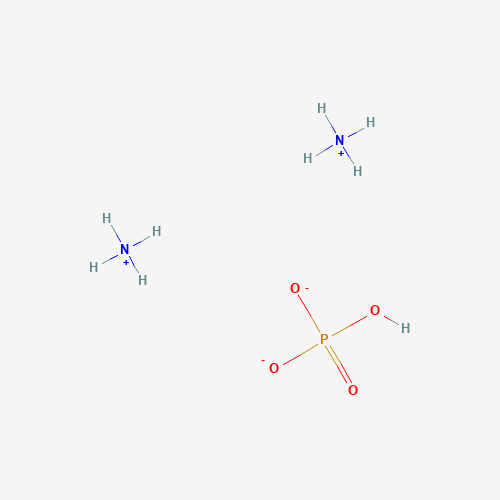
CAS7783-28-0
分子式H9N2O4P
分子量132.06 g/mol g/mol
危化品
Physical Description | Ammonium phosphate is a white solid with a weak odor of ammonia. Sinks and mixes with water. (USCG, 1999)
科学粮草官-词典编辑部,修订于:2026-07-06
Toxicity
ToxicityEcotoxicity Excerpts
/AQUATIC SPECIES/ The effects of two commonly used fertilizers, diammonium phosphate and urea, on hematological parameters (hemoglobin, red blood cell count, hematocrit, and total leucocyte count) of fresh water fish Clarias batrachus were studied. The toxic effect of diammonium phosphate was more pronounced than that of urea. The toxic effect of diammonium phosphate resulted in a sudden fall of hematological parameters--Hb, red blood cell count, Hct--at higher concentrations, and at lower concentrations gradual decreases were seen over comparatively longer durations. In urea intoxication, slight decreases in the three parameters were seen at lower concentrations during shorter intervals, while at higher concentrations, significant decreases during shorter intervals were observed. Total...
Probable Routes of Human Exposure
According to the 2006 TSCA Inventory Update Reporting data, the number of persons reasonably likely to be exposed in the industrial manufacturing, processing, and use of diammonium phosphate is 1000 or greater; the data may be greatly underestimated(1).
Symptoms
Eye Exposure: Redness. Pain.
Interactions
This paper summarizes data on the factors involved in addiction and dependence to cigarettes. Nicotine has been intensively studied by the tobacco industry, for instance for its addictive effect at the lowest possible rates. The addition of diammonium phosphate and urea produces an alcalinization of the pH of cigarette smoke, and promotes the absorption and the trans-membrane passage of nicotine. The taste, the smell of smoke, and the visual aspect of the pack of cigarettes are also sensory components that promote addiction. Finally, menthol, sugar, cocoa and liquorice added to cigarettes also play a role in dependence and addiction to cigarettes by, for instance, making an anesthetic effect on the airways.
Adverse Effects
Toxic Pneumonitis - Inflammation of the lungs induced by inhalation of metal fumes or toxic gases and vapors.
Exposure Routes
The substance can be absorbed into the body by inhalation of its aerosol.
Toxicity Summary
Cosmetic Ingredient Review Finding(s): Safe for use in cosmetics, with qualifications
RAIS Toxicity Values
Oral Subchronic Chronic Reference Dose Reference: PPRTV Current
Human Toxicity Excerpts
/OTHER TOXICITY INFORMATION/ This paper summarizes data on the factors involved in addiction and dependence to cigarettes. Nicotine has been intensively studied by the tobacco industry, for instance for its addictive effect at the lowest possible rates. The addition of diammonium phosphate and urea produces an alcalinization of the pH of cigarette smoke, and promotes the absorption and the trans-membrane passage of nicotine. The taste, the smell of smoke, and the visual aspect of the pack of cigarettes are also sensory components that promote addiction. Finally, menthol, sugar, cocoa and liquorice added to cigarettes also play a role in dependence and addiction to cigarettes by, for instance, making an anesthetic effect on the airways.
Acceptable Daily Intakes
FAO/WHO Expert Committee on Food Additives ... recommended ... /levels/ for total dietary phosphorus ... unconditional acceptance level /of less than 30 mg/kg body wt/ is considered safe in any type of diet ... conditional acceptance level /of 30-70 mg/kg body wt/ is acceptable only when dietary calcium level is high. /Phosphates/
Non-Human Toxicity Values
LD50 Rat oral 6500 mg/kg bw
Non-Human Toxicity Excerpts
/GENOTOXICITY/ A tiered testing strategy has been employed to evaluate the potential for new ingredients, tobacco processes, and technological developments to alter the mainstream smoke or biological activity that results from burning cigarette tobacco. The foundation of this evaluation strategy is comparative testing, typically including chemical and biological assessments. In the manufacture of cigarettes, diammonium phosphate (DAP) and urea have been historically used as ingredients added to tobacco, to reconstituted tobacco sheet, and to other processed tobaccos. As part of ongoing stewardship efforts, a toxicological assessment of cigarettes with and without DAP and urea was conducted. Chemical and biological analyses were conducted for test cigarettes added 0.5% DAP and 0.2% urea...









