


 一键配货
一键配货
化合物详情
CAS7783-47-3
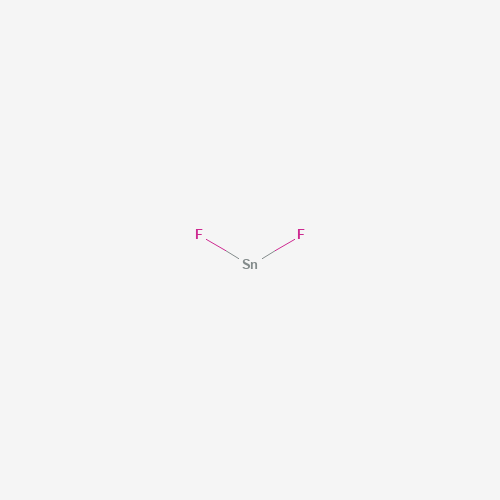
分子式SnF2
分子量156.69 g/mol
非危品
Physical Description | Stannous fluoride is a white crystalline solid. Sinks and mixes with water. (USCG, 1999)
科学粮草官-词典编辑部,修订于:2026-07-06
Toxicity
ToxicitySymptoms
Inorganic or organic tin compounds placed on the skin or in the eyes can produce skin and eye irritation. (L308)
Treatment
EYES: irrigate opened eyes for several minutes under running water. INGESTION: do not induce vomiting. Rinse mouth with water (never give anything by mouth to an unconscious person). Seek immediate medical advice. SKIN: should be treated immediately by rinsing the affected parts in cold running water for at least 15 minutes, followed by thorough washing with soap and water. If necessary, the person should shower and change contaminated clothing and shoes, and then must seek medical attention. INHALATION: supply fresh air. If required provide artificial respiration.
Toxicity Data
LD50: 112 mg/kg (Oral, Rat) (T48) LD50: 16 150 ug/kg (Intraperitoneal, Mouse) (T14)
Health Effects
Ingestion of large amounts of inorganic tin compounds can cause stomachache, anemia, and liver and kidney problems. (L307, L308)
Adverse Effects
Toxic Pneumonitis - Inflammation of the lungs induced by inhalation of metal fumes or toxic gases and vapors.
Exposure Routes
Oral (L308); inhalation (L308); dermal (L308)
Toxicity Summary
Inorganic and organic tin compounds are weak inhibitors of alcohol dehydrogenase. (A183)
Carcinogen Classification
3, not classifiable as to its carcinogenicity to humans. (L135)
Antidote and Emergency Treatment
Advanced treatment: Consider orotracheal or nasotracheal intubation for airway control in the patient who is unconscious or in respiratory arrest. Positive pressure ventilation techniques with a bag valve mask device may be beneficial. Monitor cardiac rhythm and treat arrhythmias if necessary ... . Start an IV with D5W. Use lactated Ringer's to support vital signs if signs of hypovolemia are present. Watch for signs of fluid overload. Consider drug therapy for pulmonary edema ... . For hypotension with signs of hypovolemia, administer fluids cautiously. Consider vasopressors for hypotension with a normal fluid volume. Watch for signs of fluid overload ... . Use proparacaine hydrochloride to assist eye irrigation ... . /Fluorine and related compounds/









