


 一键配货
一键配货
化合物详情
CAS7803-51-2
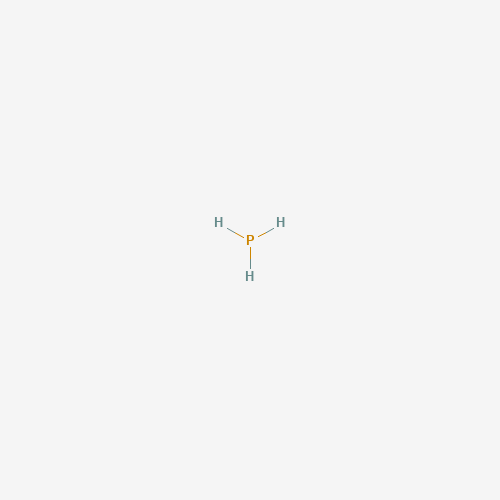
分子式PH3
分子量34 g/mol
危化品
Hazards Summary | Phosphine is a colorless, flammable, and explosive gas at ambient temperature that has the odor of garlic or decaying fish. Small amounts occur naturally from the break down of organic matter. It is slightly soluble in water. Phosphine is used in semiconductor and plastics industries, in the production of a flame retardant, and as a pesticide in stored grain.
科学粮草官-词典编辑部,修订于:2026-07-06
Toxicity
ToxicityFate Summary
ATMOSPHERIC FATE: Phosphine is a gas at ambient temperature(1). Gas-phase phosphine is degraded in the atmosphere by reaction with photochemically-produced hydroxyl radicals and has a reported atmospheric half-life of 5 hours(2).
Soil Adsorption / Mobility
Phosphine is a gas(1) and may bind to soil(2). Laboratory studies suggest that phosphine present below the soil surface is quickly adsorbed, but interaction with soil is soil-type dependent(3).
Volatilization from Water / Soil
Phosphine is a gas under normal environmental conditions and will dissipate rapidly from water and soil surfaces(1).
Environmental Abiotic Degradation
Degradation of phosphine in the atmosphere is expected to predominately occur via photochemically-produced hydroxyl radicals with a reported half-life of less than one day(1). The half-life in air is approximately 5 hours with expected degradation products being oxyacids of phosphorus and inorganic phosphate(2).
Ecotoxicity Excerpts
/PLANTS/ Rice seeds (Tianyou, 3618) were used to examine the physiological and biochemical responses to phosphine exposure during germination. A control (0 mg/cu m) and four concentrations of phosphine (1.4 mg/cu m, 4.2 mg/cu m, 7.0 mg/cu m and 13.9 mg/cu m) were used to treat the rice seeds. Each treatment was applied for 90 min once per day for five days. The germination rate (GR); germination potential (GP); germination index (GI); antioxidant enzymes, including superoxide dismutase (SOD), peroxidase (POD), and catalase (CAT); and lipid peroxidation measured through via malondialdehyde (MDA) were determined as indicators of the physiological and biochemical responses of the rice seeds to phosphine exposure. These indicators were determined once per day for five days. The results indi...
ICSC Environmental Data
This substance does enter the environment under normal use. Great care, however, should be taken to avoid any additional release, for example through inappropriate disposal.
Natural Pollution Sources
Phosphine gas is produced in the degradation of phosphate containing organic sources and can be generated in sediments, soils, sludge, animal waste and water(1-3).
Artificial Pollution Sources
Phosphine's production as a by-product from the storage of ferrous alloys and phosphide hydrolysis(1) may result in its release to the environment through various waste streams(SRC). Phosphine's use as an insecticide or rodenticide(2) will result in its direct release to the environment(SRC). Phosphine is formed when other fumigants (aluminum phosphide, magnesium phosphide, calcium phosphide, zinc phosphide) degrade(2).
Probable Routes of Human Exposure
Occupational exposure to phosphine may occur through inhalation and dermal contact with this compound at workplaces where phosphine is produced or used. Monitoring and use data indicate that the general population is not expected to be exposed to phosphine. (SRC)
Environmental Fate / Exposure Summary
Phosphine's production as a by-product from the storage of ferrous alloys and phosphide hydrolysis may result in its release to the environment through various waste streams. Phosphine's use as an insecticide or rodenticide will result in its direct release to the environment. Phosphine is formed when other fumigants (aluminum phosphide, magnesium phosphide, calcium phosphide, zinc phosphide) degrade. Phosphine gas is produced in the degradation of phosphate containing organic sources and can be generated in sediments, soils, sludge and water. If released to air, phosphine will be degraded in the atmosphere by reaction with photochemically-produced hydroxyl radicals; and has a reported atmospheric half-life of 5 hours. Phosphine will dissipate rapidly from soil and water surfaces. Studi...
Symptoms
Early symptoms of acute phosphine intoxication include pain in the diaphragm, nausea, vomiting, excitement, and a phosphorus smell on the breath. Higher levels can cause weakness, bronchitis, pulmonary edema, shortness of breath, convulsions, and death. Some effects, such as pulmonary edema, convulsions, and liver injury, may appear or continue to be present days after an exposure. Liquid phosphine on your skin can cause frostbite. Ingestion of metal phosphides results in release of phosphine in your stomach which can cause nausea, vomiting, abdominal pain, and diarrhea. (L980)
Treatment
As there is no antidote for phosphine poisoning, treatment is mainly symptomatic. Artificial respiration, gastric lavage, and/or administration of activated charcoal may be necessary. (L982)
Target Organs
respiratory system
Toxicity Data
LC50: 11 ppm over 4 hours (Inhalation, Rat) (T80)
Health Effects
Inhalation of phosphine may cause severe pulmonary irritation leading to acute pulmonary oedema, cardiovascular dysfunction, CNS excitation, coma and death. Gastrointestinal disorders, renal damage and leukopenia may also occur. Chronic exposure to phosphine can result in anemia, bronchitis, gastrointestinal effects, and visual, speech and motor problems. (L980, L982)
Adverse Effects
ACGIH Carcinogen - Not Classifiable.
Exposure Routes
Oral (L1645); inhalation (L1645); dermal (L1645)
Toxicity Summary
Phosphine inhibits cytochrome c oxidase, preventing mitochondrial oxidative phosphorylation. This non-competitive inhibition prevents cellular respiration and leads to multi-organ dysfunction. Phosphine can also react with hydrogen peroxide to form the highly reactive hydroxyl radical, which can cause lipid peroxidation. (A291, A292)
RAIS Toxicity Values
Oral Subchronic Chronic Reference Dose Reference: HEAST Current
Human Toxicity Values
Three ppm safe for long term exposure, 500 ppm lethal in 30 min. 1000 ppm lethal after few breaths (for man). In phosphine inhalation, survival for 4 days is ordinarily followed by recovery.... .
Carcinogen Classification
No indication of carcinogenicity to humans (not listed by IARC).
Populations at Special Risk
... Children may be especially susceptible to the toxicity of phosphine at low levels. This may be related to the greater intake rate in the young because of a higher rate of metabolism.
1 or Cancer Risk Level 1E-06
Fraction of Contaminant Absorbed in Gastrointestinal Tract: 1
Evidence for Carcinogenicity
CLASSIFICATION: D; not classifiable as to human carcinogenicity. BASIS FOR CLASSIFICATION: Based on inadequate data in animals and no tumor data in humans. While phospine has not been associated with cancer in humans, there is some evidence of chromosomal damage (transient chromatid deletions, gaps and breaks, persistent chromosomal translocations). A relationship between these genetic effects and the development of cancer in humans is sometimes postulated. HUMAN CARCINOGENICITY DATA: None. ANIMAL CARCINOGENICITY DATA: Inadequate.
Hazard Quotient Level 3 or Cancer Risk Level 1E-04
Fraction of Contaminant Absorbed in Gastrointestinal Tract: 1









