


 一键配货
一键配货
化合物详情
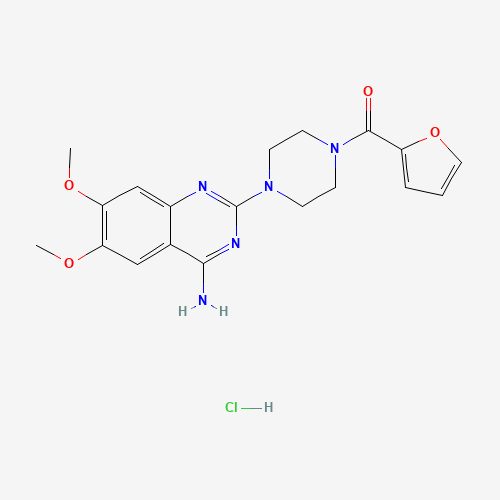
CAS19237-84-4
分子式C19H21N5O4·HCl
分子量419.87 g/mol g/mol
危化品
Prazosin Hydrochloride is a synthetic piperazine derivative with hypotensive antiadrenergic properties, Prazosin Hydrochloride reduces peripheral resistance and relaxes vascular smooth muscles as a selective adrenergic alpha-1 antagonist by a mechanism not completely known. It is used in the treatment of heart failure, hypertension, pheochromocytoma, Raynaud's syndrome, prostatic hypertrophy, and urinary retention. (NCI04)
科学粮草官-词典编辑部,修订于:2026-07-06
Toxicity
ToxicityMilk Concentrations
/Prazosin hydrochloride/ has been shown to be excreted in small amounts in human milk.
Interactions
... prazosin hydrochloride has been administered without any adverse drug interaction in limited clinical experience to date with the following: cardiac glycosides -- digitalis and digoxin; hypoglycemics -- insulin, chlorpropamide, phenformin, tolazamide, and tolbutamide; tranquilizers and sedatives -- chlordiazepoxide, diazepam, phenobarbital; antigout -- allopurinol, colchicine, and probenecid; antiarrhythmics -- procainamide, propranolol and quinidine; analgesics, antipyretics and anti-inflammatories -- propoxyphene, aspirin, indomethacin, and phenylbutazone.
Lethal Dose
collection=toxvaldb&kind=^LD$
Human Toxicity Excerpts
/CASE REPORTS/ Ingestion of at least 50 mg of prazosin by a 2 yr old child produced profound drowsiness and depressed reflexes. There was no decrease in blood pressure and recovery was uneventful. A 19 yr old man who ingested approximately 200 mg of prazosin had normal CNS responses and slightly decreased blood pressure.
Drug Induced Liver Injury
References: DOI:10.1016/j.drudis.2016.02.015
Non-Human Toxicity Excerpts
/LABORATORY ANIMALS: Developmental or Reproductive Toxicity/ Decreased fertility has occurred in male and female rats receiving prazosin dosages of 75 mg/kg but did not occur in those receiving 25 mg/kg. Testicular changes consisting of atrophy and necrosis have occurred in rats and dogs receiving prazosin dosages of 25 mg/kg daily for a year or longer but no such changes occurred in those receiving 10 mg/kg daily.
Antidote and Emergency Treatment
Maintain an open airway and assist ventilation if necessary.Hypotension usually respondes to supine positioning and iv crystalloid fluids. Occasionally pressor therapy is needed. there is no specific antidote. Administer activated charcoal.









