


 一键配货
一键配货
化合物详情
CAS32986-56-4
分子式C18H37N5O9
分子量467.51 g/mol g/mol
危化品
Tobramycin Sulfate can cause developmental toxicity according to state or federal government labeling requirements.
科学粮草官-词典编辑部,修订于:2026-07-06
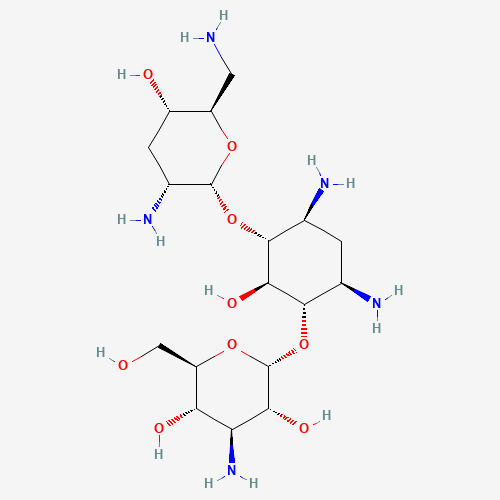
Toxicity
ToxicityHepatotoxicity
Intravenous and intramuscular therapy with tobramycin is usually associated with no increase in rates of serum aminotransferase or bilirubin elevations. Only isolated case reports of acute liver injury with jaundice have been associated with aminoglycoside therapy including tobramycin, not all of which are very convincing. The hepatic injury is typically mixed but can evolve into a cholestatic hepatitis. The latency to onset is rapid, occurring within 1 to 3 weeks and is typically associated with skin rash, fever and sometimes eosinophilia. Recovery typically occurs within 1 to 2 months and chronic injury has not been described. Aminoglycosides are not mentioned in large case series of drug induced liver disease and acute liver failure; thus, hepatic injury due to tobramycin is rare if...
Adverse Effects
Administration of intravesical BCG should be avoided with tobramycin, as antibiotics can diminish the therapeutic efficacy of intravesical BCG.
Toxicity Summary
Patients overdosed on tobramycin with normal renal function should be hydrated adequately to preserve urine output of 3 to 5 mL/kg/h. Fluid and electrolyte balance, creatinine clearance, and tobramycin serum concentrations should be monitored closely until the serum tobramycin concentration falls below 2 mcg/mL. Patients with a tobramycin elimination half-life exceeding 2 hours or impaired renal function may require aggressive therapy, including the potential benefit of hemodialysis. It is crucial to note that inhaled tobramycin can cause systemic toxicity in patients with renal dysfunction.
Drug Induced Liver Injury
References: DOI:10.1016/j.drudis.2019.09.022
Antidote and Emergency Treatment
/SRP:/ Advanced treatment: Consider orotracheal or nasotracheal intubation for airway control in the patient who is unconscious, has severe pulmonary edema, or is in severe respiratory distress. Positive-pressure ventilation techniques with a bag valve mask device may be beneficial. Consider drug therapy for pulmonary edema ... . Consider administering a beta agonist such as albuterol for severe bronchospasm ... . Monitor cardiac rhythm and treat arrhythmias as necessary ... . Start IV administration of D5W TKO /SRP: "To keep open", minimal flow rate/. Use 0.9% saline (NS) or lactated Ringer's (LR) if signs of hypovolemia are present. For hypotension with signs of hypovolemia, administer fluid cautiously. Watch for signs of fluid overload ... . Treat seizures with diazepam or lorazepam...
Effects During Pregnancy and Lactation
Relevant published information was not found as of the revision date.









