


 一键配货
一键配货
化合物详情
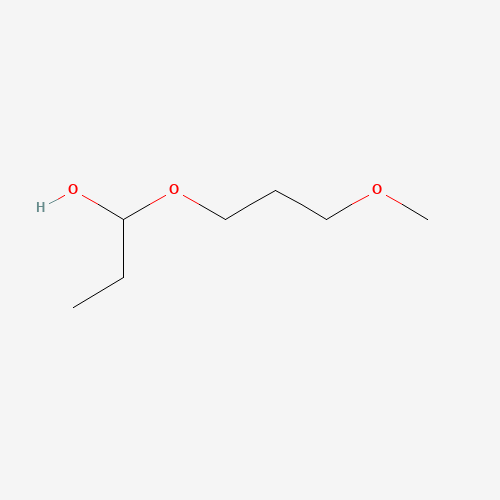
CAS34590-94-8
分子式C7H16O3
分子量148.20 g/mol g/mol
危化品
Physical Description | Dipropylene glycol methyl ether is a colorless liquid with a weak odor. (USCG, 1999)
科学粮草官-词典编辑部,修订于:2026-07-06
Toxicity
ToxicityFate Summary
ATMOSPHERIC FATE: Dipropylene glycol monomethyl ether in the atmosphere is estimated to have a half-life of 3.4 hours(1). In addition to photochemical reactions, dipropylene glycol monomethyl ether may be removed from the atmosphere by washout(SRC).
Soil Adsorption / Mobility
The high water solubility of dipropylene glycol monomethyl ether suggests that it will not sorb to soils or sediments and, therefore, would be expected to leach through soil. (SRC)
Environmental Biodegradation
Five-, ten-, and twenty-day BOD values for dipropylene glycol monomethyl ether were reported as 0, 0, and 31%, respectively (expressed as percentage of theoretical oxygen demand)(1). The type of inoculum, however, was not specified. This delayed oxygen demand suggests that an acclimation period is required in order for a dipropylene glycol monomethyl ether-degrading population to become established. Thus, intermittent releases of dipropylene glycol monomethyl ether to the environment or to wastewater treatment plants may also require an acclimation period before significant amounts of dipropylene glycol monomethyl ether are removed(SRC). No information was found on the biodegradation of dipropylene glycol monomethyl ether in soil or natural waters.
Environmental Bioconcentration
Since dipropylene glycol monomethyl ether is infinitely soluble in water, it will not be expected to bioconcentrate in aquatic organisms. (SRC)
Environmental Water Concentrations
Dipropylene glycol monomethyl ether was found in the groundwater from a landfill well in Oklahoma(1). However, the dipropylene glycol monomethyl ether concentration was not determined.
Effluent Concentrations
Dipropylene glycol monomethyl ether was detected in the final effluents from three different wastewater treatment plants in Illinois(1). Two of the treatment plants received wastewater from a variety of industries, while the third one received wastewater from a petroleum refinery. Dipropylene glycol monomethyl ether concentration, however, was not determined.
Artificial Pollution Sources
Dipropylene glycol monomethyl ether is used as a component of a variety of industrial and consumer products, (hydraulic brake fluid, cosmetics, paints and coatings, paint and varnish removers, printing inks, textile dyes, floor polishes, cleaners surfactant for oil spills, and pesticide formulations(1-5); these would suggest widespread environmental release(SRC).
Probable Routes of Human Exposure
Human exposure could come from both the industrial and consumer products that contain dipropylene glycol monomethyl ether. For example, industrial exposure may come from the use of paints and hand cleaners that contain dipropylene glycol monomethyl ether. Consumers may be exposed to dipropylene glycol monomethyl ether through such products as cosmetics and household cleaners.(SRC)
Environmental Fate / Exposure Summary
Between one and ten million pounds of dipropylene glycol monomethyl ether are produced annually in the United States. Dipropylene glycol monomethyl ether is a constituent of a variety of industrial and consumer products including hydraulic brake fluid, solvents, paints, dyes, household cleaners, cosmetics, and pesticide formulations. It is not known how much dipropylene glycol monomethyl ether is released to the environment. Dipropylene glycol monomethyl ether is probably released to the air due to volatilization from solvents and paints that contain it. Additionally, it may enter the air when used as a solvent in pesticide formulations. Dipropylene glycol monomethyl ether used in pesticides may also enter surface waters. Dipropylene glycol monomethyl ether was found in the effluents fr...
Symptoms
irritation eyes, nose, throat; lassitude (weakness, exhaustion), dizziness, headache
Target Organs
Eyes, respiratory system, central nervous system
Adverse Effects
Occupational hepatotoxin - Secondary hepatotoxins: the potential for toxic effect in the occupational setting is based on cases of poisoning by human ingestion or animal experimentation.
Exposure Routes
inhalation, skin absorption, ingestion, skin and/or eye contact
Toxicity Summary
Cosmetic Ingredient Review Finding(s): Safe in the present practices of use and concentration. Ingredient, concentration, and use information are available in documents discoverable at https://cir-reports.cir-safety.org
Human Toxicity Excerpts
... /DIPROPYLENE GLYCOL MONOMETHYL ETHER/ CAUSED NEITHER IRRITATION NOR SENSITIZATION WHEN TESTED ON HUMAN SUBJECTS. IT IS LOW IN TOXICITY BY INHALATION. HAZARDS TO HEALTH ASSOC WITH HANDLING & ORDINARY USE OF THIS MATERIAL SEEM TO BE MINIMAL.
Non-Human Toxicity Values
LD50 Rat oral 5.4 ml/kg









