


 一键配货
一键配货
化合物详情
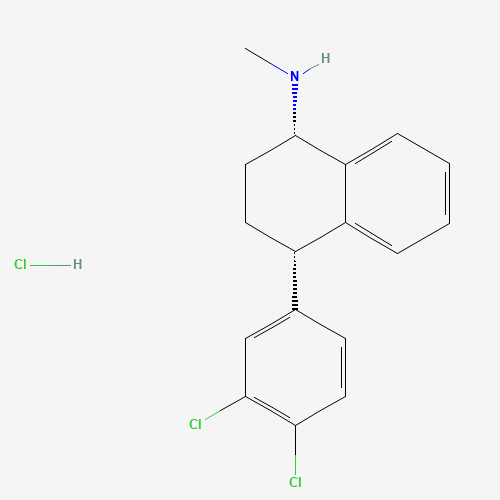
CAS79559-97-0
分子式C17H17Cl2N.HCl
分子量342.69 g/mol g/mol
危化品
Sertraline hydrochloride is a hydrochloride resulting from the reaction of equimolar amounts of sertraline and hydrogen chloride. A selective serotonin-reuptake inhibitor (SSRI), it is administered orally as an antidepressant for the treatment of depression, obsessive-compulsive disorder, panic disorder and post-traumatic stress disorder. It has a role as an antidepressant and a serotonin uptake inhibitor. It contains a sertraline(1+).
科学粮草官-词典编辑部,修订于:2026-07-06
Toxicity
ToxicitySymptoms
Symptoms of toxicity include alopecia, decreased libido, diarrhea, ejaculation disorder, fatigue, insomnia, somnolence and serotonin syndrome.
Treatment
Treatment should consist of those general measures employed in the management of overdosage with any antidepressant. Ensure an adequate airway, oxygenation and ventilation. Monitor cardiac rhythm and vital signs. General supportive and symptomatic measures are also recommended. Induction of emesis is not recommended. Gastric lavage with a large-bore orogastric tube with appropriate airway protection, if needed, may be indicated if performed soon after ingestion, or in symptomatic patients. Activated charcoal should be administered. Due to large volume of distribution of this drug, forced diuresis, dialysis, hemoperfusion and exchange transfusion are unlikely to be of benefit. No specific antidotes for sertraline are known. (L1712)
Exposure Routes
The effects of food on the bioavailability of the sertraline tablet and oral concentrate were studied in subjects administered a single dose with and without food. For the tablet, AUC was slightly increased when drug was administered with food but the Cmax was 25% greater, while the time to reach peak plasma concentration (Tmax) decreased from 8 hours post-dosing to 5.5 hours. For the oral concentrate, Tmax was slightly prolonged from 5.9 hours to 7.0 hours with food.
Toxicity Summary
The exact mechanism of action sertraline is not fully known, but the drug appears to selectively inhibit the reuptake of serotonin at the presynaptic membrane. This results in an increased synaptic concentration of serotonin in the CNS, which leads to numerous functional changes associated with enhanced serotonergic neurotransmission. It is suggested that these modifications are responsible for the antidepressant action observed during long term administration of antidepressants. It has also been hypothesized that obsessive-compulsive disorder is caused by the dysregulation of serotonin, as it is treated by sertraline, and the drug corrects this imbalance.
Carcinogen Classification
No indication of carcinogenicity to humans (not listed by IARC).
Drug Induced Liver Injury
References: DOI:10.1016/j.drudis.2016.02.015









