


 一键配货
一键配货
化合物详情
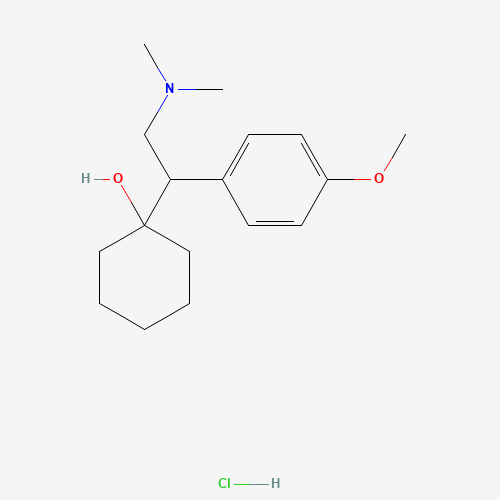
CAS99300-78-4
分子式C17H27NO2·HCl
分子量313.86 g/mol g/mol
危化品
Venlafaxine Hydrochloride is a synthetic ethyl-cyclohexanol derivative used for the treatment of depression, Venlafaxine Hydrochloride is metabolized to O-desmethylvenlafaxine, which potentiates CNS activity. Both venlafaxine and its active metabolite inhibit neuronal reuptake of norepinephrine, dopamine, and serotonin. (NCI04)
科学粮草官-词典编辑部,修订于:2026-07-06
Toxicity
ToxicitySymptoms
Most patients overdosing with venlafaxine develop only mild symptoms. However, severe toxicity is reported with the most common symptoms being CNS depression, serotonin toxicity, seizure, or cardiac conduction abnormalities.
Treatment
Treatment should consist of those general measures employed in the management of overdosage with any antidepressant. Ensure an adequate airway, oxygenation, and ventilation. Monitor cardiac rhythm and vital signs. General supportive and symptomatic measures are also recommended. Induction of emesis is not recommended. Gastric lavage with a large bore orogastric tube with appropriate airway protection, if needed, may be indicated if performed soon after ingestion or in symptomatic patients. Activated charcoal should be administered. Due to the large volume of distribution of this drug, forced diuresis, dialysis, hemoperfusion, and exchange transfusion are unlikely to be of benefit. No specific antidotes for venlafaxine are known. (L1712)
Exposure Routes
Oral. Venlafaxine is well absorbed. Food does not effect the absorption of venlafaxine or its subsequent metabolism into ODV. Bioavailability is 45% following oral administration. Time to steady state = 3 days.
Toxicity Summary
The exact mechanism of action of venlafaxine is unknown, but appears to be associated with the its potentiation of neurotrasmitter activity in the CNS. Venlafaxine and its active metabolite, O-desmethylvenlafaxine (ODV), inhibit the reuptake of both serotonin and norepinephrine with a potency greater for the 5-HT than for the NE reuptake process. Both venlafaxine and the ODV metabolite have weak inhibitory effects on the reuptake of dopamine but, unlike the tricyclics and similar to SSRIs, they are not active at histaminergic, muscarinic, or alpha(1)-adrenergic receptors.
Carcinogen Classification
No indication of carcinogenicity to humans (not listed by IARC).
Drug Induced Liver Injury
References: DOI:10.1016/j.drudis.2016.02.015









