


 一键配货
一键配货
化合物详情
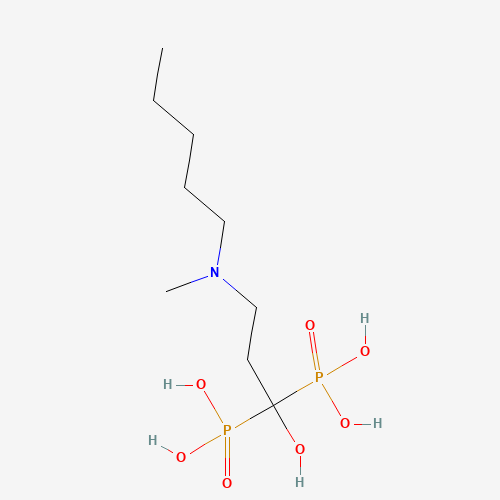
CAS114084-78-5
分子式C9H23NO7P2
分子量319.23 g/mol
非危品
Ibandronate, or BM 21.0955, is a third generation, nitrogen containing bisphosphonate similar to [zoledronic acid], [minodronic acid], and [risedronic acid]. It is used to prevent and treat postmenopausal osteoporosis. Ibandronate was first described in the literature in 1993 as a treatment for bone loss in dogs. Ibandronate was granted FDA approval on 16 May 2003.
科学粮草官-词典编辑部,修订于:2026-07-06
Toxicity
ToxicitySymptoms
LD<sub>50</sub> = 811 mg/kg (rat, oral), side effects include bronchitis, pneumonia and urinary tract infections.
Toxicity Data
LD<sub>50</sub> = 811 mg/kg (rat, oral)
Exposure Routes
Poorly absorbed (mean bioavailability following a 2.5 mg oral dose is about 0.6% compared to intravenous dosing). Absorption is impaired by any kind of food or drink other than plain water.
Toxicity Summary
The action of ibandronate on bone tissue is based partly on its affinity for hydroxyapatite, which is part of the mineral matrix of bone. Nitrogen-containing bisphosphonates (such as pamidronate, alendronate, risedronate, ibandronate and zoledronate) appear to act as analogues of isoprenoid diphosphate lipids, thereby inhibiting farnesyl pyrophosphate (FPP) synthase, an enzyme in the mevalonate pathway. Inhibition of this enzyme in osteoclasts prevents the biosynthesis of isoprenoid lipids (FPP and GGPP) that are essential for the post-translational farnesylation and geranylgeranylation of small GTPase signalling proteins. This activity inhibits osteoclast activity and reduces bone resorption and turnover. In postmenopausal women, it reduces the elevated rate of bone turnover, leading t...
Carcinogen Classification
No indication of carcinogenicity to humans (not listed by IARC).
Drug Induced Liver Injury
References: DOI:10.1016/j.drudis.2019.09.022
Effects During Pregnancy and Lactation
◉ Effects on Lactation and Breastmilk









