


 一键配货
一键配货
化合物详情
CAS7789-47-1
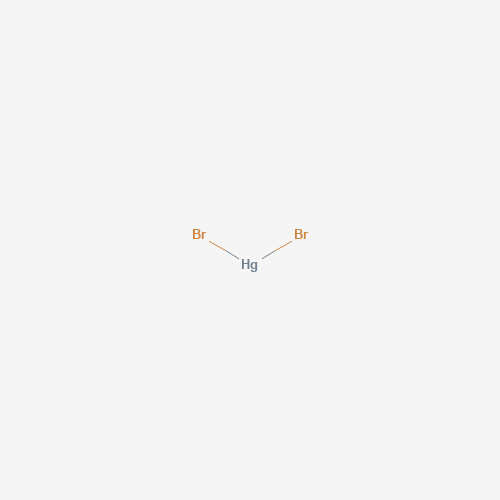
分子式Br2Hg
分子量360.4 g/mol
危化品
Physical Description | Mercuric bromide appears as white rhombic crystals. Sensitive to light. Slightly soluble in water and denser than water. Severely toxic by inhalation and ingestion.
科学粮草官-词典编辑部,修订于:2026-07-06
Toxicity
ToxicityAtmospheric Concentrations
In the atmosphere, particulate bound mercury constitutes only approximately 2% of total mercury in the air and has normally been found to be less than 0.1 ng/cu m in regions unaffected by local sources(1). Some other mercury compounds which may exist in the atmosphere are mercuric chloride, mercuric bromide, mercuric hydroxide, mercuric sulfide, and mercuric cyanide(1). The rest is elemental mercury in the gaseous phase. In remote areas over the Atlantic and Pacific oceans, mercury bound to particulate matter concns are generally at or below the picogram per cubic meter level(1).
Symptoms
Common symptoms include peripheral neuropathy (presenting as paresthesia or itching, burning or pain), skin discoloration (pink cheeks, fingertips and toes), edema (swelling), and desquamation (dead skin peels off in layers). (A5)
Treatment
EYES: irrigate opened eyes for several minutes under running water. INGESTION: do not induce vomiting. Rinse mouth with water (never give anything by mouth to an unconscious person). Seek immediate medical advice. SKIN: should be treated immediately by rinsing the affected parts in cold running water for at least 15 minutes, followed by thorough washing with soap and water. If necessary, the person should shower and change contaminated clothing and shoes, and then must seek medical attention. INHALATION: supply fresh air. If required provide artificial respiration.
Toxicity Data
LD50: 35 mg/kg (Oral, Mouse) (L943) LD50: 40 mg/kg (Oral, Rat) (L943) LD50: 100 mg/kg (Dermal, Rat) (L943)
Health Effects
Mercury mainly affects the nervous system. Exposure to high levels of metallic, inorganic, or organic mercury can permanently damage the brain, kidneys, and developing fetus. Effects on brain functioning may result in irritability, shyness, tremors, changes in vision or hearing, and memory problems. Acrodynia, a type of mercury poisoning in children, is characterized by pain and pink discoloration of the hands and feet. Mercury poisoning can also cause Hunter-Russell syndrome and Minamata disease. Bromine vapour causes irritation and direct damage to the mucous membranes. Elemental bromine also burns the skin. The bromide ion is a central nervous system depressant and chronic exposure produces neuronal effects. This is called bromism and can result in central reactions reaching from som...
Adverse Effects
ACGIH Carcinogen - Not Classifiable.
Exposure Routes
Oral (L7); inhalation (L7); dermal (L7)
Toxicity Summary
High-affinity binding of the divalent mercuric ion to thiol or sulfhydryl groups of proteins is believed to be the major mechanism for the activity of mercury. Through alterations in intracellular thiol status, mercury can promote oxidative stress, lipid peroxidation, mitochondrial dysfunction, and changes in heme metabolism. Mercury is known to bind to microsomal and mitochondrial enzymes, resulting in cell injury and death. For example, mercury is known to inhibit aquaporins, halting water flow across the cell membrane. It also inhibits the protein LCK, which causes decreased T-cell signalling and immune system depression. Mercury is also believed to inhibit neuronal excitability by acting on the postsynaptic neuronal membrane. It also affects the nervous system by inhibiting protein...
Minimum Risk Level
Chronic Inhalation: 0.0002 mg/m3 (Mercury) (L134)
Human Toxicity Excerpts
Contact with eyes causes ulceration of conjunctiva & cornea.
Carcinogen Classification
3, not classifiable as to its carcinogenicity to humans. (L135)









